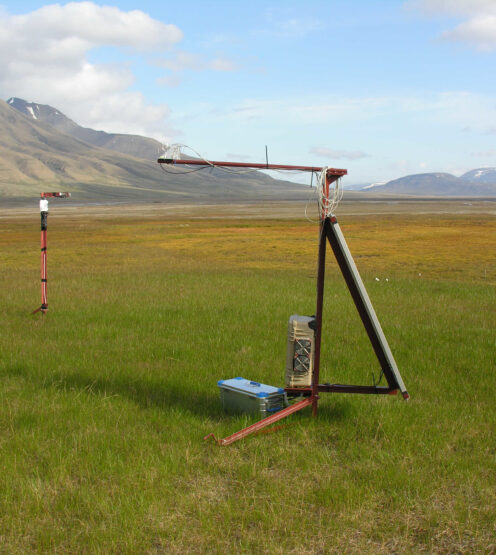
Fluorescence Spectrometer in the field

fluorescence spectrometer

A fluorescence spectrometer is a specialized optical instrument that detects and analyzes the fluorescent emission of samples. These instruments are used to quantify molecular properties, structural information, and changes of state in materials and biological samples. Modern fluorescence spectrometers combine high sensitivity with robust measurement stability, making them essential tools in research, environmental monitoring, materials analysis, and life science applications.

DESCRIPTION

What matters outdoors

What makes fluorescence spectrometers compelling outdoors is their ability to capture weak emission signals under real illumination conditions without losing spectral integrity. Instead of controlled excitation and shielding, field environments introduce variable background light, temperature dynamics, and changing geometry. A fluorescence spectrometer that performs outdoors translates these influences into stable, comparable fluorescence signals, enabling meaningful interpretation beyond laboratory constraints.

Outdoor fluorescence spectrometry reveals dynamics that averaged or isolated measurements cannot resolve. Subtle changes in emission intensity, spectral shape, and temporal response become visible across diurnal cycles and transient events. High temporal resolution combined with long-term stability allows users to distinguish physiological or material-driven changes from environmental variability.

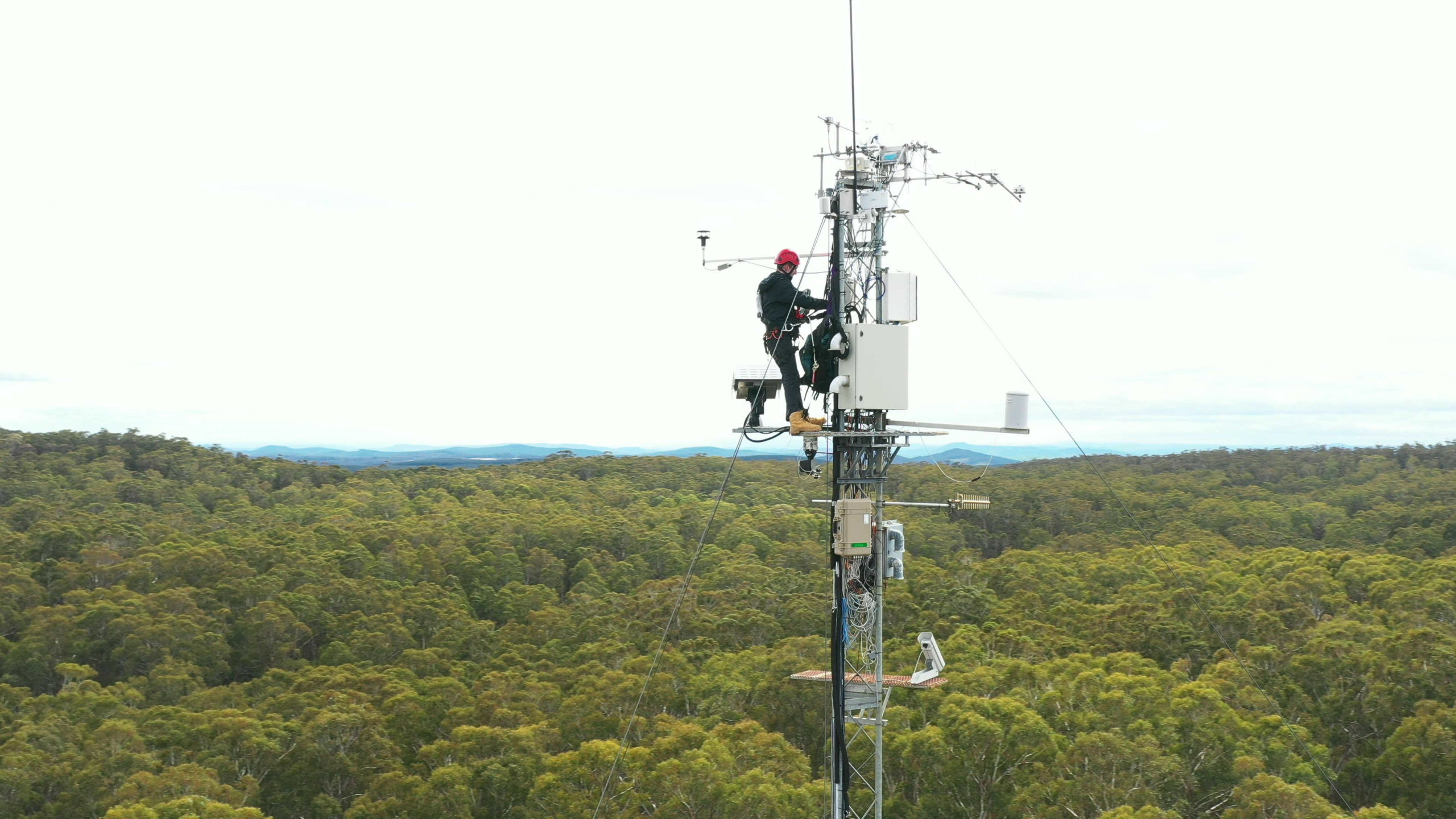
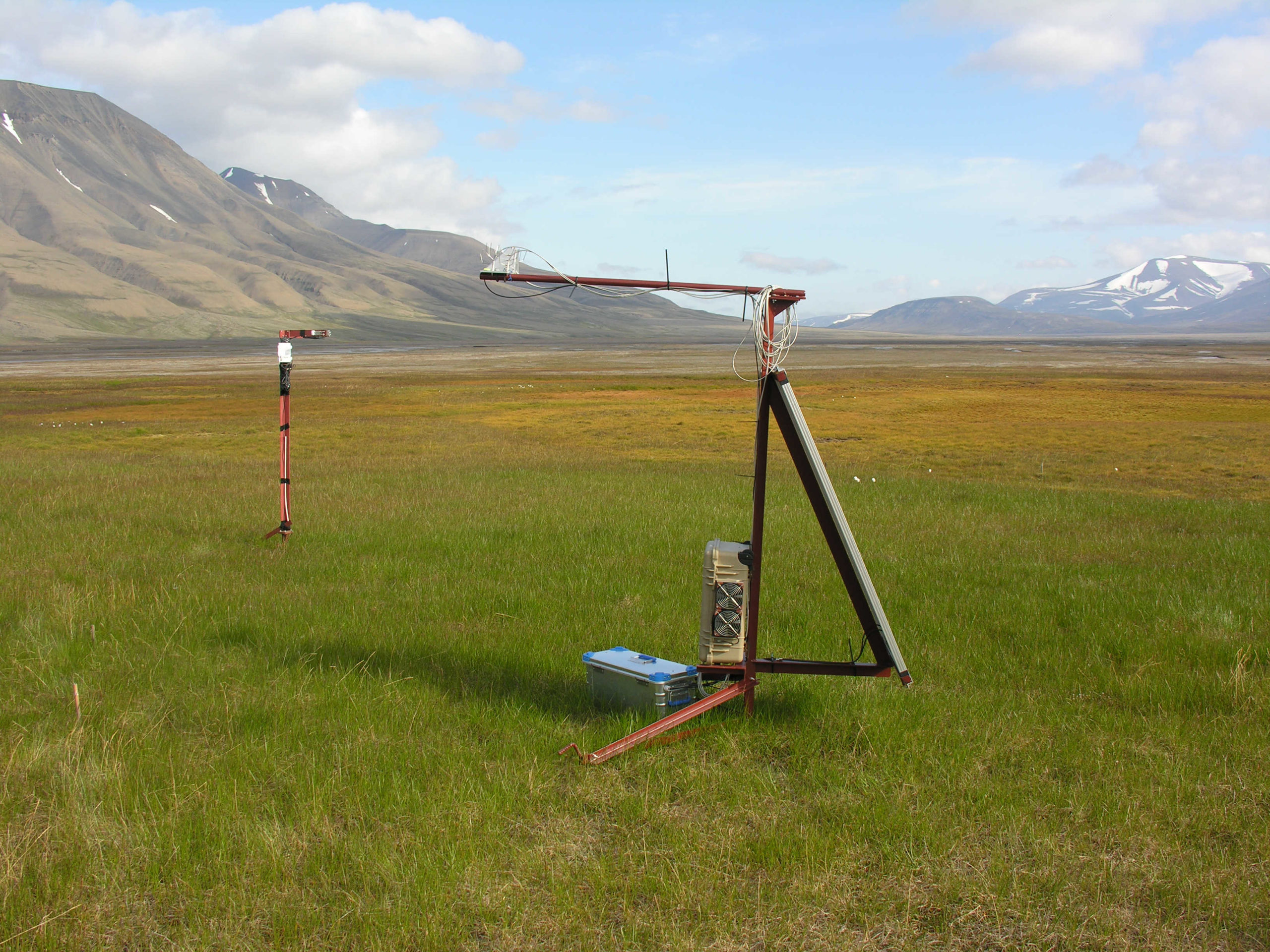
All of these are the focus of JB Hyperspectral’s  FloX model which is designed for permanent outdoor installation and offers features such as rugged, waterproof housings, a 12V battery or solar power supply, and autonomous operation with long-term SD logging.
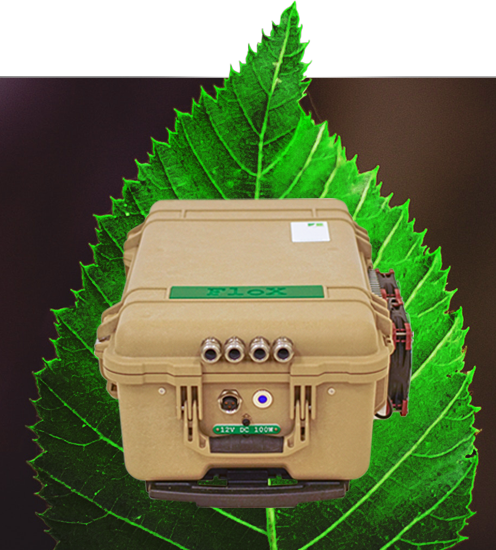
Flox

FLUORESCENCE BOX

Measuring chlorophyll fluorescence easy and reliably, the FloX is the key to a new understanding of plants.

FIND OUT MORE

Specifications

FloX (Fluorescence Box)

Applications

Passive chlorophyll fluorescence monitoring under natural light, for plant function tracking and SIF related research.

Advantages

Extremely high spectral resolution in the red and near infrared, dual channel design for irradiance and radiance, autonomous acquisition with signal optimization for reliable outdoor deployment.

Fluorescence-optimized core range

650–800 nm with SSI 0.17 nm and FWHM 0.3 nm (Spec 1).

Dual FOV geometry

Upwelling radiance 25° and downwelling radiance 180°.

Unattended station capability

fully autonomous acquisition, 20 s (sun) / 60 s (overcast), SD storage up to 32 GB (~12 months).

FAQ

Which applications benefit most from outdoor fluorescence spectrometry?

Outdoor fluorescence spectrometry is especially valuable in environmental monitoring, vegetation analysis, material studies, and long-term field campaigns. These applications benefit from capturing fluorescence signals under naturally varying illumination and temperature conditions.

How do fluorescence spectrometers support long-term field studies?

By providing stable, comparable fluorescence measurements over time, fluorescence spectrometers allow the analysis of diurnal cycles, seasonal variation, and gradual changes. This supports consistent time series evaluation across extended measurement periods and multiple locations.

How do fluorescence spectrometers complement laboratory measurements?

Laboratory-based fluorescence spectrometers offer high controllability and reproducibility, while field systems incorporate environmental conditions and realism. Together, they enable a more comprehensive interpretation of fluorescence behavior by linking controlled reference data with observations under real-world operating conditions.

Can JB provide assistance for instrument installation?

Yes. Just get in touch with us to request our installation service.

microscopy background image

Contact us for more info about our products

Contact us