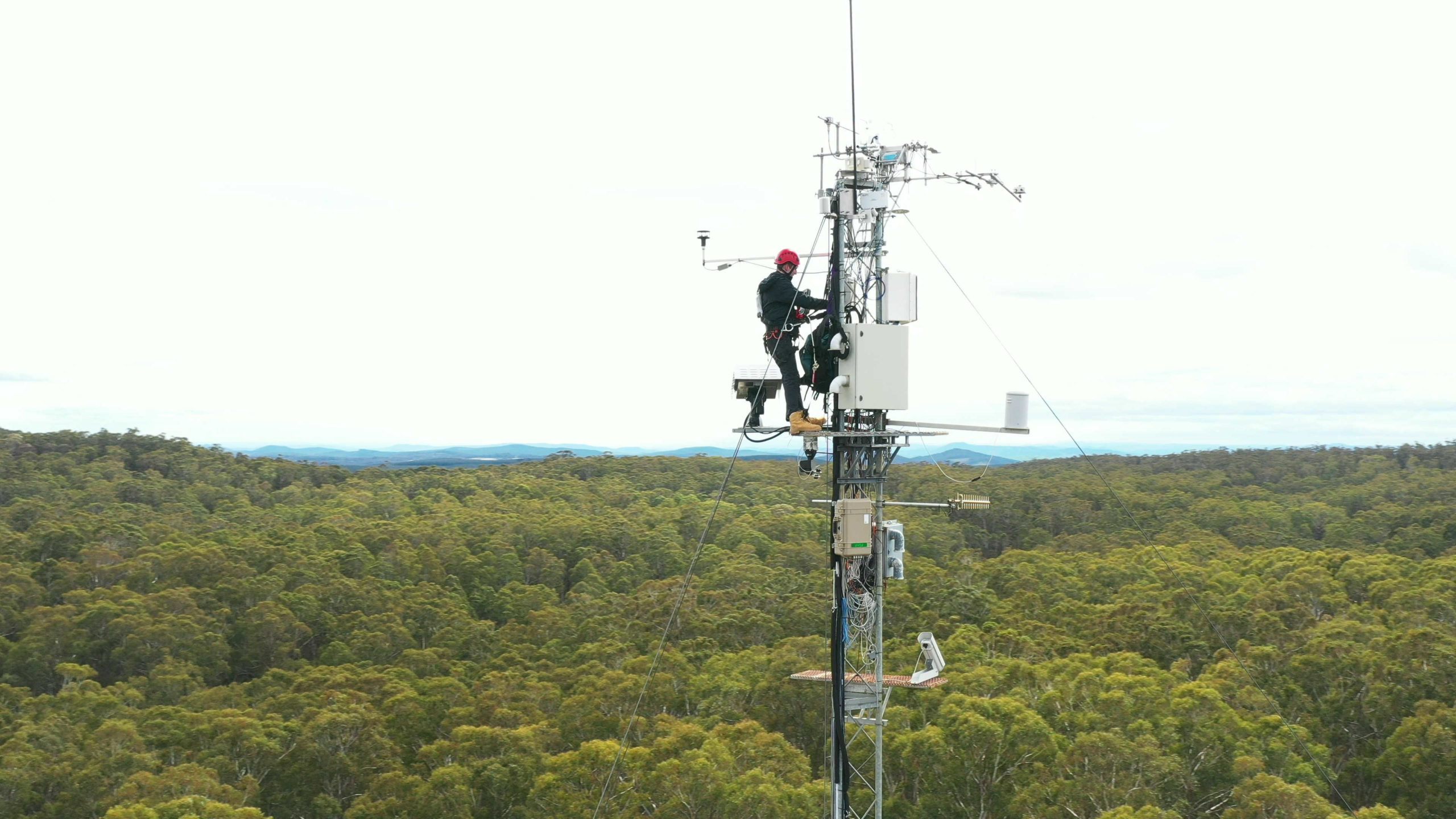
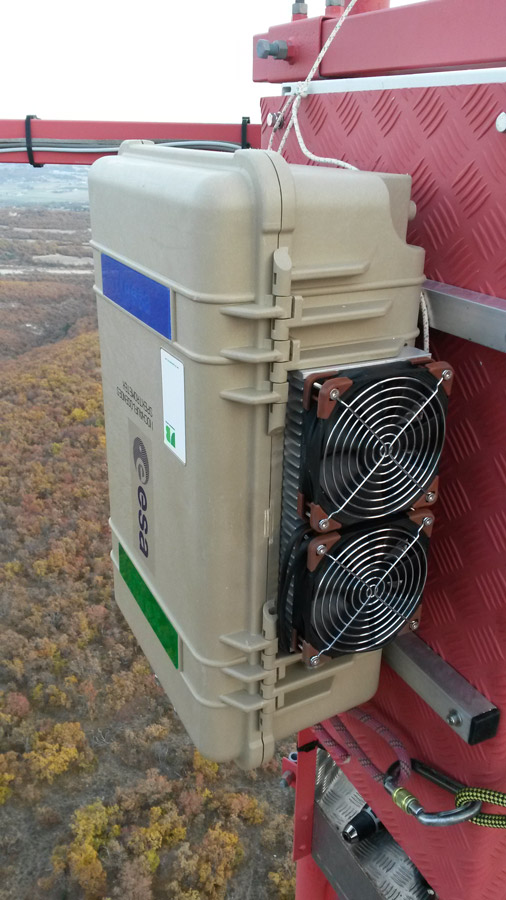
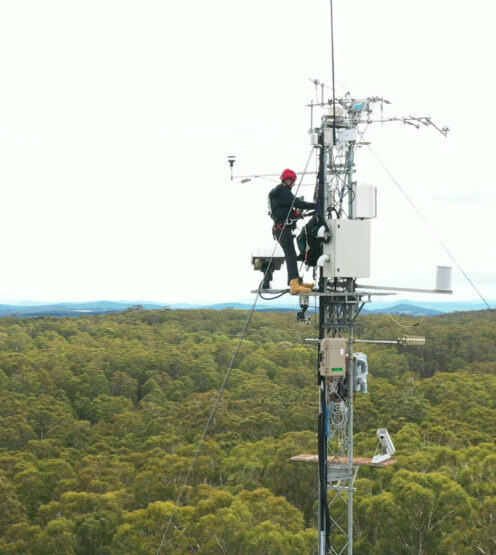
fluorescence sensor FloX being installed in a forest

fluorescence sensor

A fluorescence sensor is an optical measurement system designed to detect weak light emitted by a sample after excitation. This makes it valuable wherever researchers need sensitive, non-invasive insight into biological, environmental or material processes. In plant science, marine monitoring and bioprocess analysis, fluorescence data can reveal changes that are difficult to capture with conventional measurements. For outdoor research, the challenge is not only detection. The decisive factor is stable, comparable data under changing light, temperature and field conditions. This gives research teams a practical bridge between spectral precision and field resilience over time.

DESCRIPTION

What matters in fluorescence sensing

A fluorescence sensor works by stimulating a target with a defined light source and measuring the emitted radiation at a longer wavelength. This wavelength shift helps separate excitation light from the actual fluorescence signal. In practical systems, the optical path usually combines a light source, collection optics, filters and a detector. Modern compact instruments often use efficient solid-state light sources and sensitive detectors, because this reduces size, power demand and mechanical complexity.

The quality of a fluorescence sensor depends on more than sensitivity alone. Reliable measurements require stable signal response, accurate wavelength separation, strong suppression of ambient light and a design that limits interference from scattered excitation. This is especially important outdoors, where changing solar radiation, canopy structure, humidity and temperature can influence the signal.

Fluorescence sensing is used in many fields. It supports chlorophyll monitoring, dissolved oxygen measurement, tracer experiments, pigment analysis, hydrocarbon detection and bioprocess observation. In plant research, a fluorescence sensor can help track photosynthetic activity and stress responses by observing chlorophyll fluorescence over time. Instead of relying only on single laboratory measurements, long-term field data makes it possible to understand dynamic plant function in real environments.

Built for real-world data

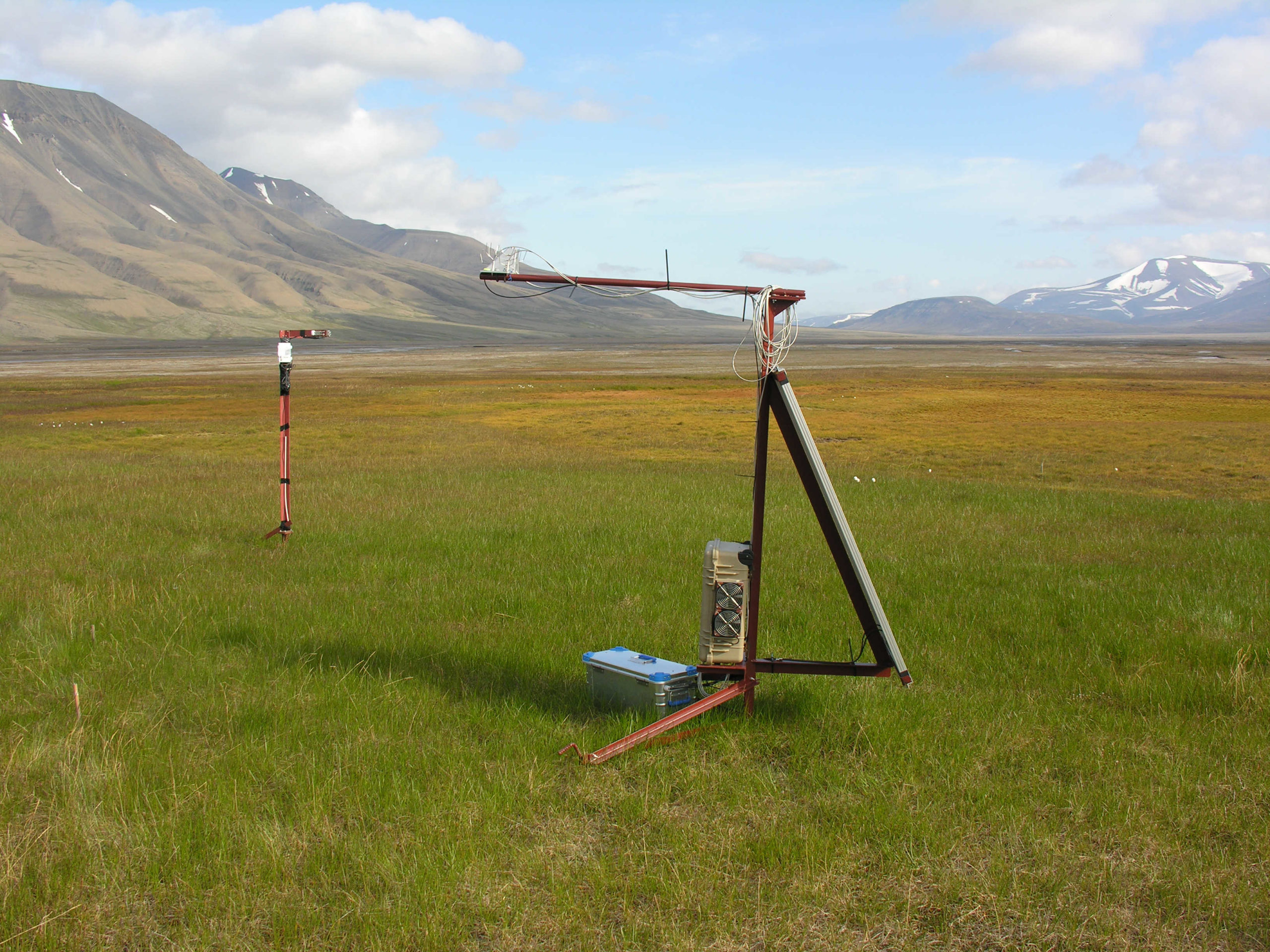
JB Hyperspectral focuses on fluorescence measurements that remain meaningful outside controlled laboratory conditions. The FloX system is designed for continuous chlorophyll fluorescence observation under natural light. Its dual-channel geometry measures incoming irradiance and upwelling radiance, creating a stable basis for solar-induced fluorescence analysis at canopy level.

The system is optimized for high spectral resolution in the red and near infrared range, where chlorophyll fluorescence is emitted. Automatic signal optimization, temperature-controlled spectrometers and autonomous acquisition help researchers collect reliable time series over days, seasons and field campaigns. As a fluorescence sensor for outdoor plant research, FloX connects high-resolution spectroscopy with robust unattended operation.
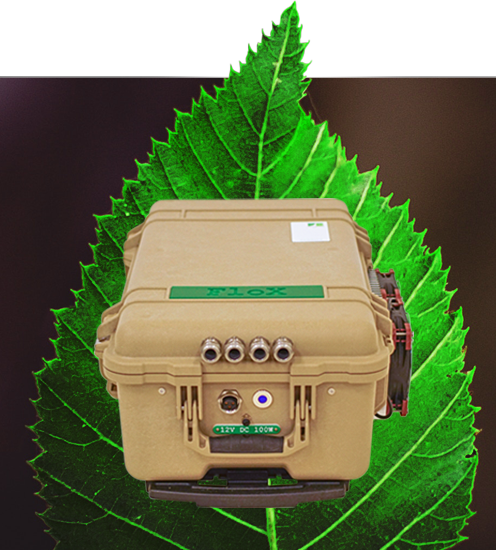
Flox

FLUORESCENCE BOX

Measuring chlorophyll fluorescence easy and reliably, the FloX is the key to a new understanding of plants.

FIND OUT MORE

Specifications

FloX (Fluorescence Box)

Applications

Passive chlorophyll fluorescence monitoring under natural light, plant function tracking, vegetation stress analysis and SIF related research.

Advantages

High spectral resolution, dual-channel design for irradiance and radiance, autonomous acquisition and signal optimization for long-term outdoor deployment.

Fluorescence-optimized core range

650–800 nm with SSI 0.17 nm and FWHM 0.3 nm (Spec 1).

Dual FOV geometry

Upwelling radiance 25° and downwelling radiance 180°.

Unattended station capability

fully autonomous acquisition, 20 s (sun) / 60 s (overcast), SD storage up to 32 GB (~12 months).

FAQ

Which applications benefit most from a fluorescence sensor?

A fluorescence sensor is especially useful for plant physiology, environmental monitoring, marine observation, bioprocess control and material analysis. These applications benefit from sensitive optical measurements that can detect subtle changes without destructive sampling.

How does fluorescence sensing support plant research?

It records chlorophyll fluorescence signals that are connected to photosynthetic processes. This helps researchers evaluate plant stress, canopy dynamics and seasonal changes under natural illumination.

Why is outdoor stability important?

Outdoor measurements are exposed to variable light, temperature and geometry. Stable optics, signal optimization and long-term logging are essential for comparable data across different conditions.

Can JB support installation?

Yes. JB Hyperspectral can assist with instrument setup and field installation.

microscopy background image

Contact us for more info about our products

Contact us