Spectral analysis of vegetation fluorescence and photosynthetic activity
The Flex Satellite captures hyperspectral data with high spectral resolution, thereby allowing accurate detection of subtle physiological variations. You identify stress responses by analyzing fluorescence intensity and spectral shape. This improves early detection of environmental impacts on vegetation. On the one hand, hyperspectral fluorescence analysis enables objective monitoring of plant function, on the other hand it supports scalable ecosystem assessment. The Flex Satellite provides quantitative radiometric information, thereby enabling scientifically validated vegetation analysis. By integrating hyperspectral fluorescence sensing, you achieve reliable evaluation of photosynthetic dynamics and consistent characterization of vegetation health under diverse environmental conditions.
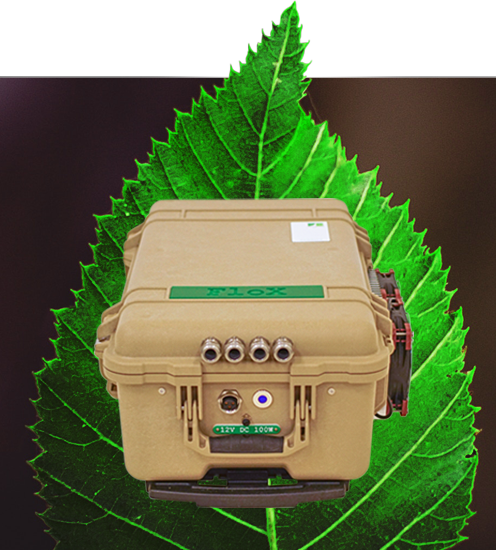
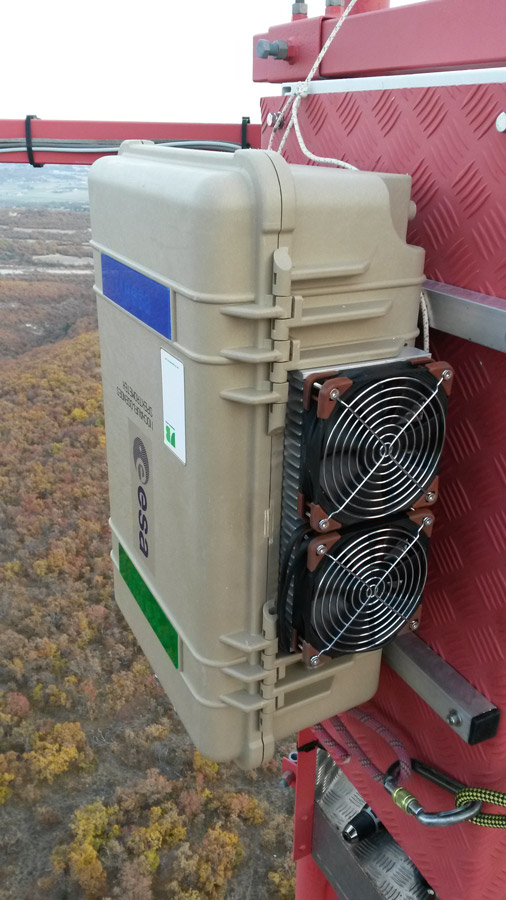
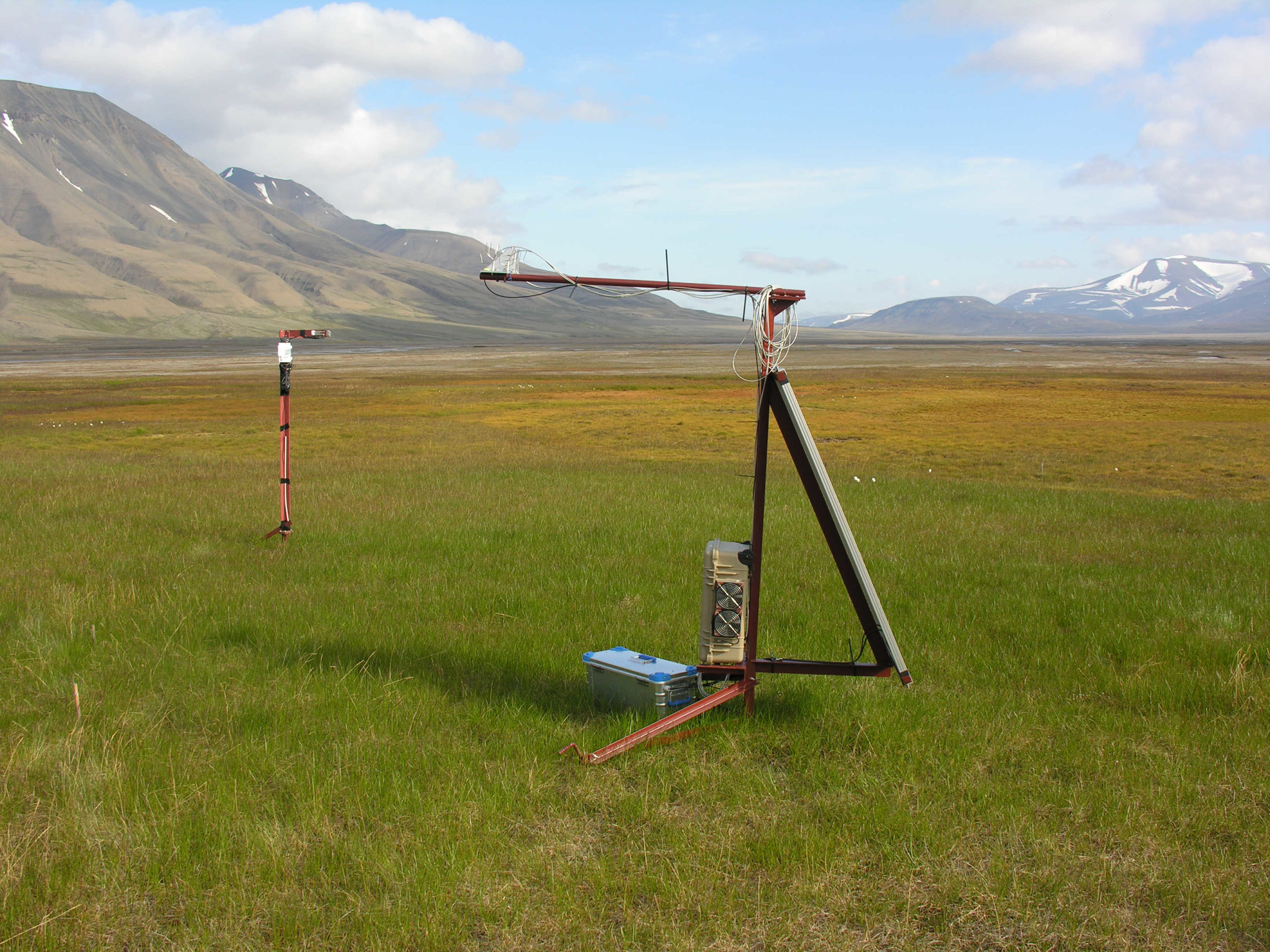
The Flex Satellite enables quantitative retrieval of radiometric and vegetation parameters with high spectral precision. You capture hyperspectral radiance data, thereby enabling accurate derivation of fluorescence intensity and reflectance characteristics. These parameters provide direct insight into vegetation physiology, since spectral signatures correlate with biochemical and structural plant properties. The hyperspectral measurements from a Fluorscence Box enable precise ground based fluorescence acquisition, thereby supporting calibration and validation of satellite derived vegetation parameters. The Flex Satellite supports radiometric calibration, thereby ensuring reliable and traceable parameter extraction. You derive vegetation indicators by applying validated spectral retrieval algorithms. This enables objective assessment of chlorophyll content and photosynthetic performance. On the one hand, hyperspectral retrieval improves detection sensitivity, on the other hand it supports consistent monitoring across large geographic areas. The Flex Satellite provides stable radiometric measurements, thereby enabling reproducible vegetation analysis. By integrating quantitative spectral retrieval methods, you achieve accurate characterization of vegetation function and scientifically validated environmental monitoring under diverse observational conditions.
Advantages of hyperspectral satellite spectroscopy over conventional Earth observation
Hyperspectral satellite spectroscopy provides significantly higher analytical capability compared to conventional Earth observation systems. You capture continuous spectral information, thereby enabling precise identification of vegetation and radiometric characteristics. The hyperspectral sensing technologies from JB Hyperspectral enable accurate ground based spectral validation, thereby supporting reliable interpretation of satellite derived measurements. Conventional satellites measure limited spectral bands, however the Flex Satellite delivers complete spectral signatures. This improves detection accuracy and enhances analytical reliability under variable environmental conditions.
You identify subtle physiological and biochemical changes by analyzing high resolution hyperspectral data. This enables objective environmental assessment. On the one hand, hyperspectral sensing improves detection sensitivity, on the other hand it supports quantitative global monitoring. The Flex Satellite provides calibrated radiometric measurements, thereby enabling scientifically validated analysis. By integrating hyperspectral spectroscopy, you achieve reliable vegetation characterization and consistent environmental monitoring across diverse ecosystems and large scale observation scenarios.