
Field spectroscopy is the quantitative measurement of light interaction with natural targets in the field, often through reflectance, radiance, irradiance, transmission, or fluorescence data.

Systems for outside spectral data
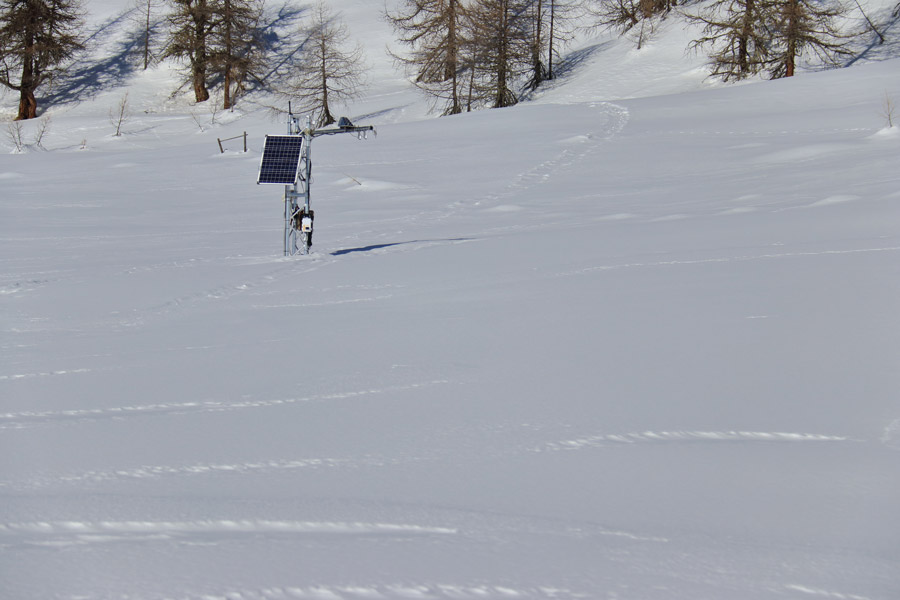
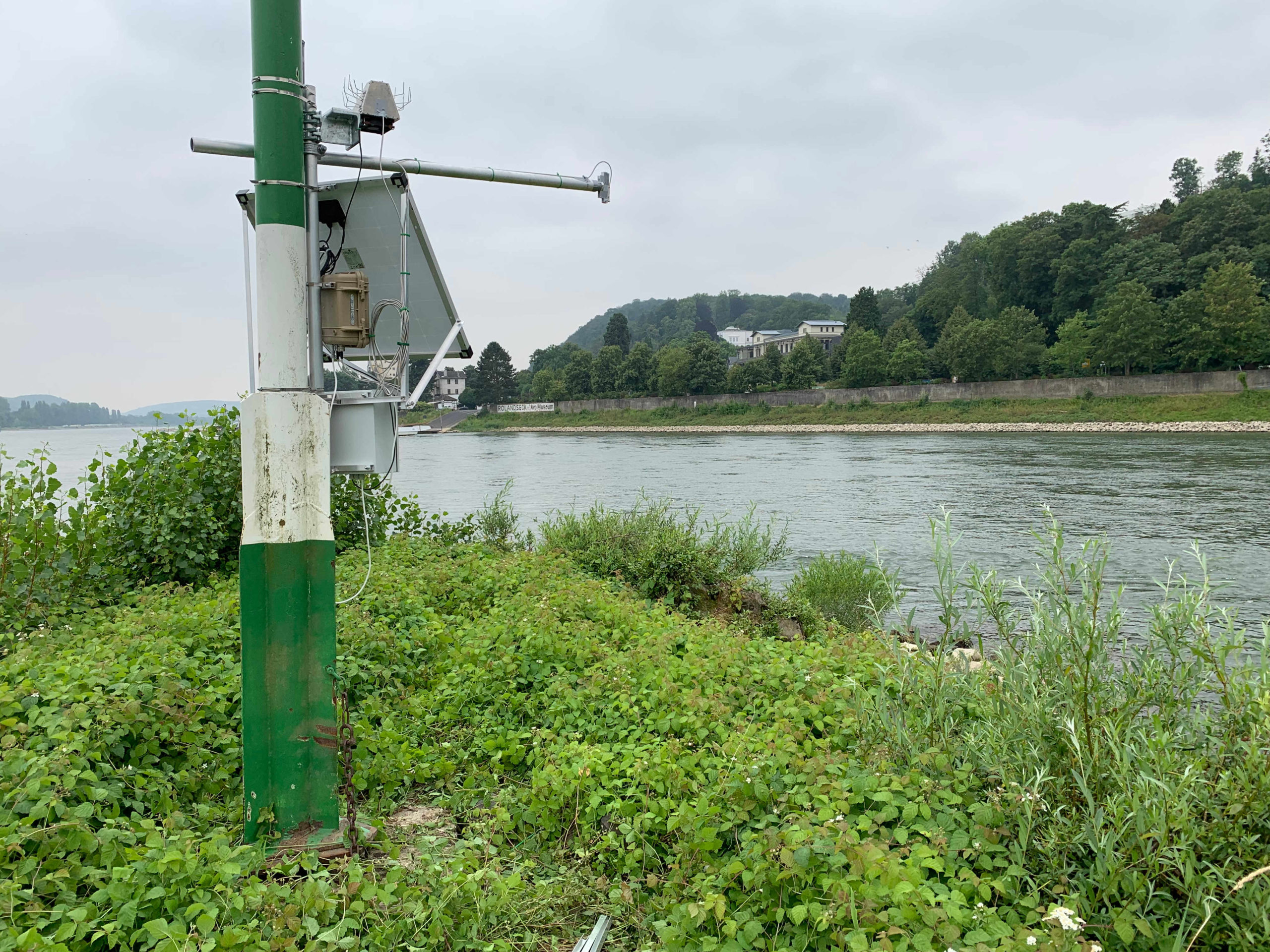
Field spectroscopy makes it possible to measure how natural surfaces interact with light directly in their real environment. Instead of relying only on laboratory samples or image data from aircraft and satellites, researchers collect precise spectral information where vegetation, soil, water, snow, rocks, and atmospheric conditions actually occur.
JB Hyperspectral develops robust systems for continuous outdoor measurements. Our solutions support scientific teams that need reliable reflectance, radiance, irradiance, and fluorescence data for environmental monitoring, plant research, remote sensing validation, and long term observation.
Field spectroscopy is an important bridge between ground measurements and remote sensing. Satellite and airborne sensors observe large areas from above. Field measurements explain what these sensors detect, because they provide reference spectra from known targets on the ground.
This is valuable when spectral data must be calibrated, validated, or scaled from a small target to a larger scene. A leaf, crop canopy, snow surface, soil sample, or water body can show spectral features that reveal biological, chemical, or physical properties. By measuring these signatures directly, the method helps turn image data into meaningful environmental information.
Reliable field data depends on the full measurement setup. Sunlight changes, clouds move, temperatures shift, and field campaigns often run under demanding conditions. That is why stable geometry, accurate dark current handling, high quality optics, and clean metadata are essential.
Many workflows compare the target signal with a calibrated white reference. This helps convert measured radiance into reflectance. However, changing illumination can affect the result if target and reference measurements are not handled carefully. For long term monitoring, autonomous systems with controlled measurements of upwelling radiance and downwelling irradiance create a stronger foundation for consistent data.
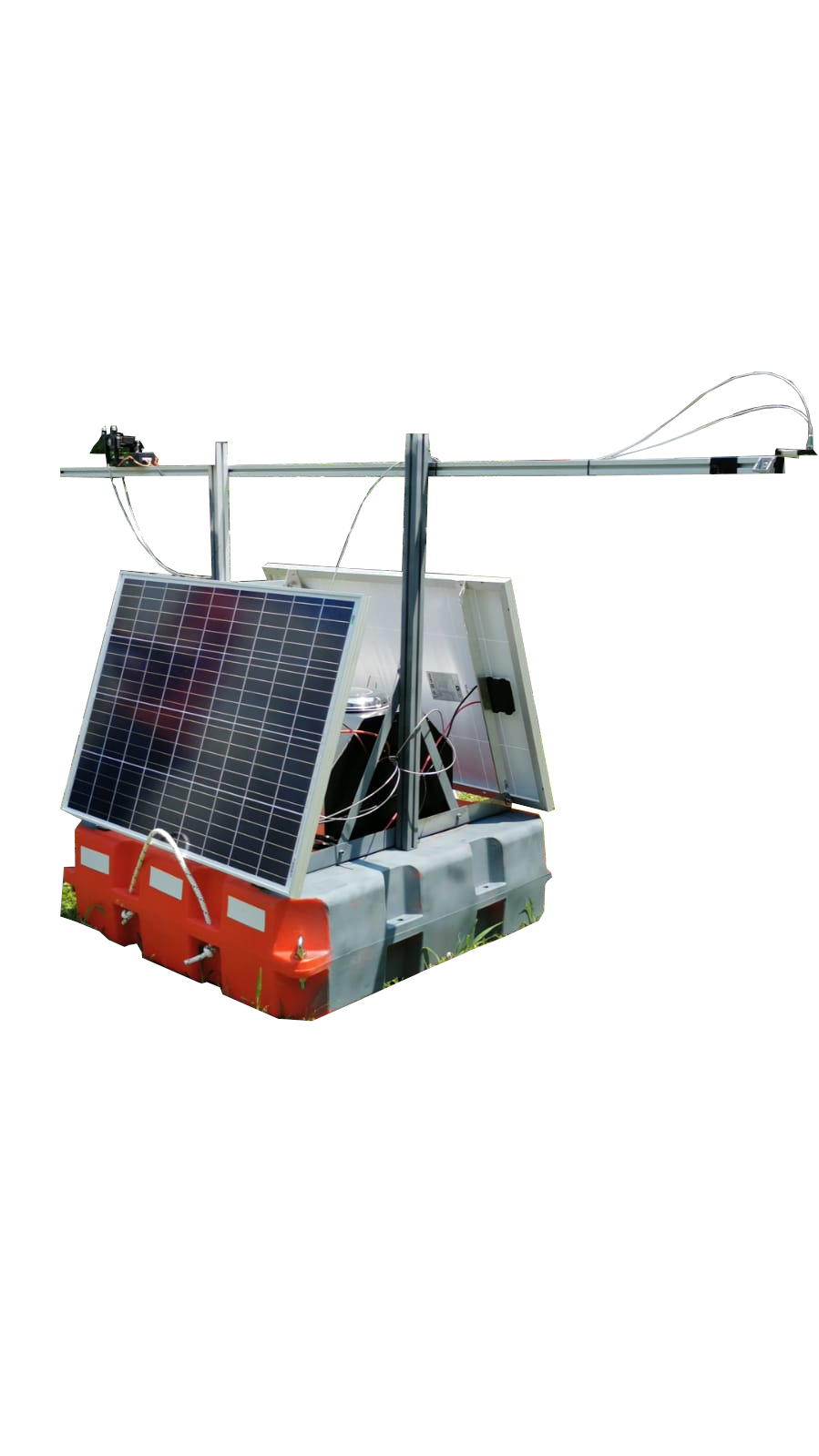
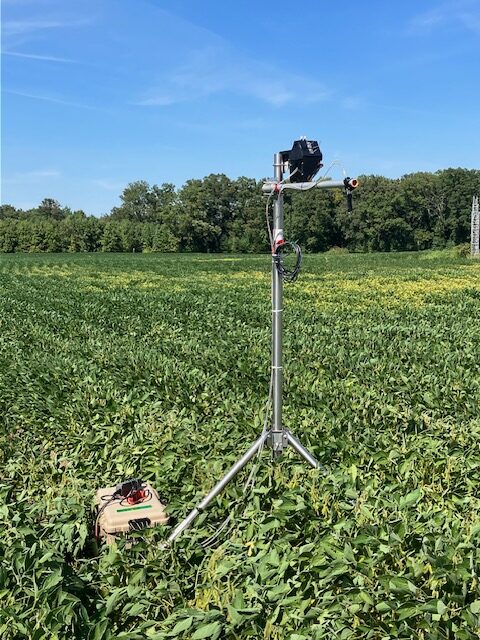
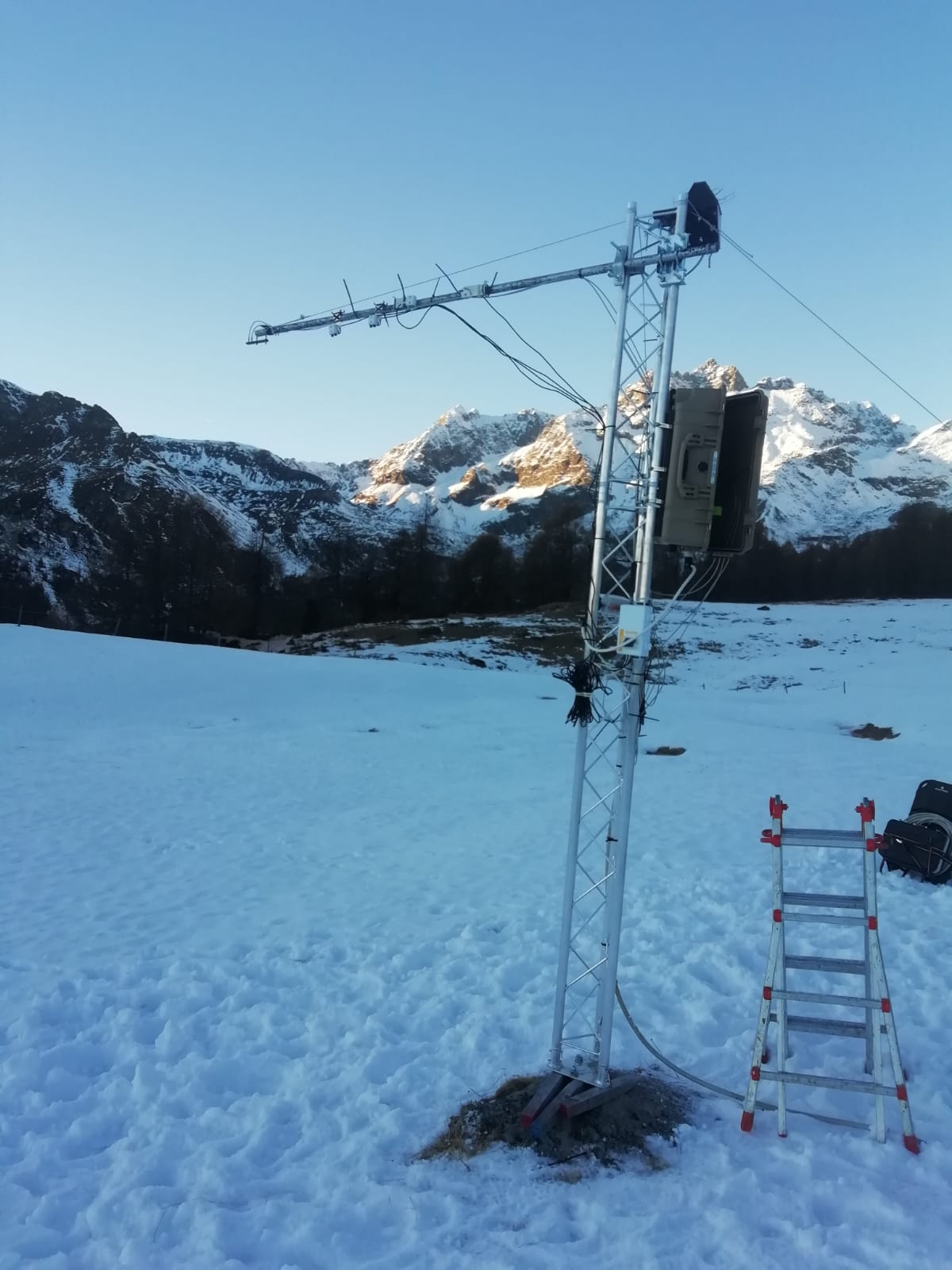
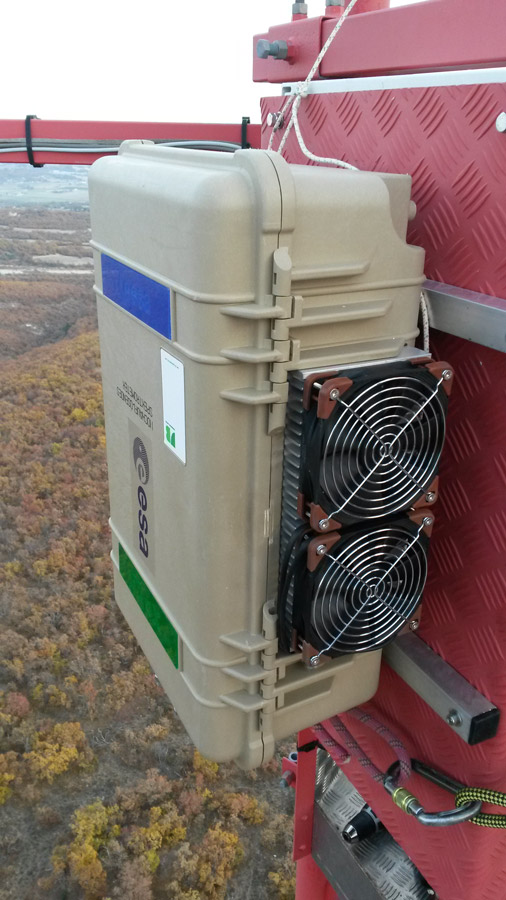
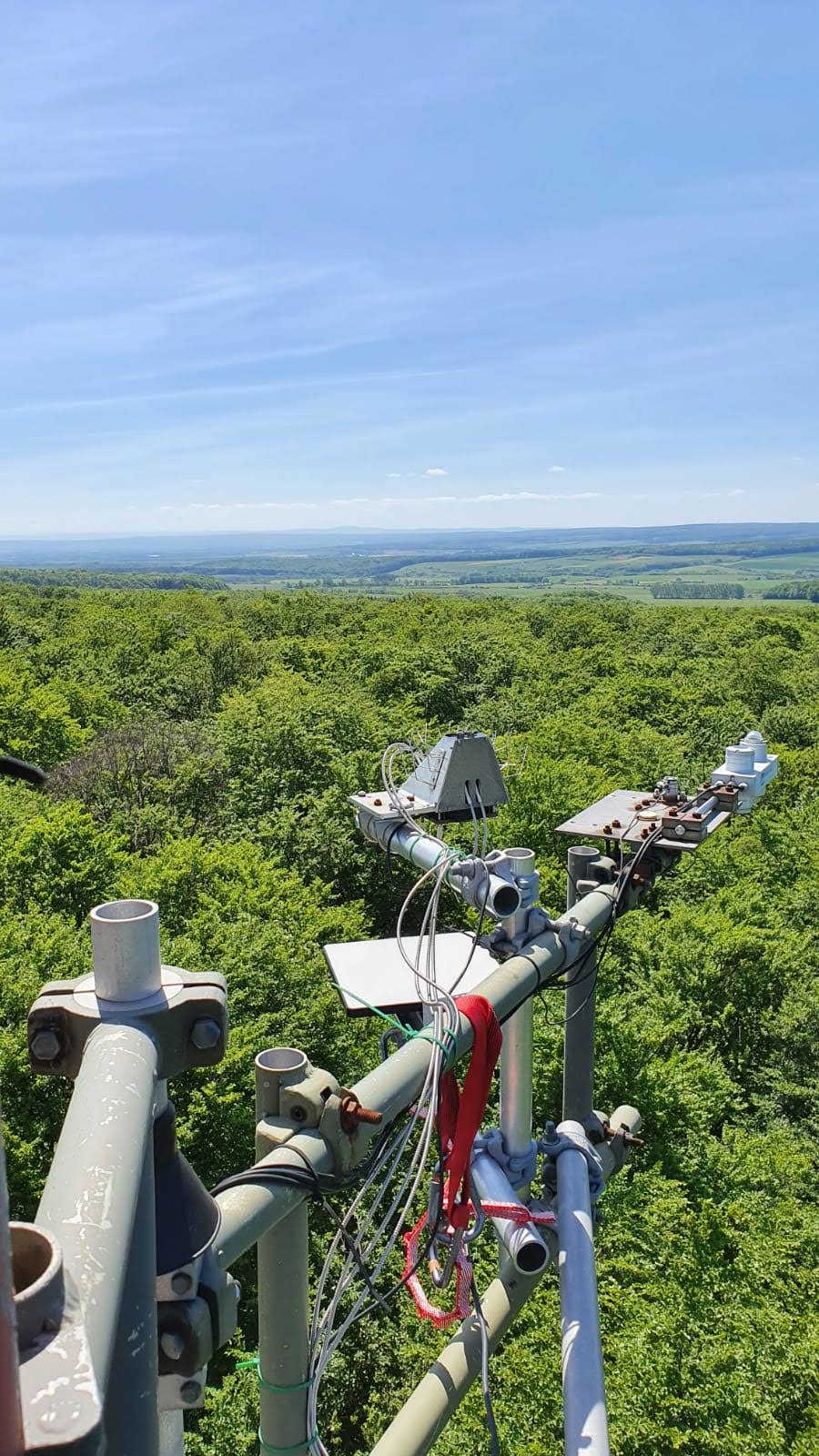
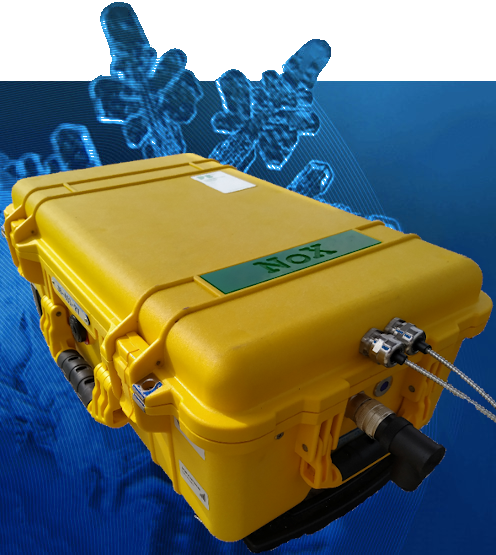
JB Hyperspectral offers field ready instruments for different research goals. RoX is designed for autonomous reflectance monitoring in vegetation, snow, water quality, and environmental studies. NoX extends reflectance observations into the near infrared, which is useful for vegetation, snow, and harsh climate research. FloX focuses on passive chlorophyll fluorescence and supports studies of plant function under natural light.
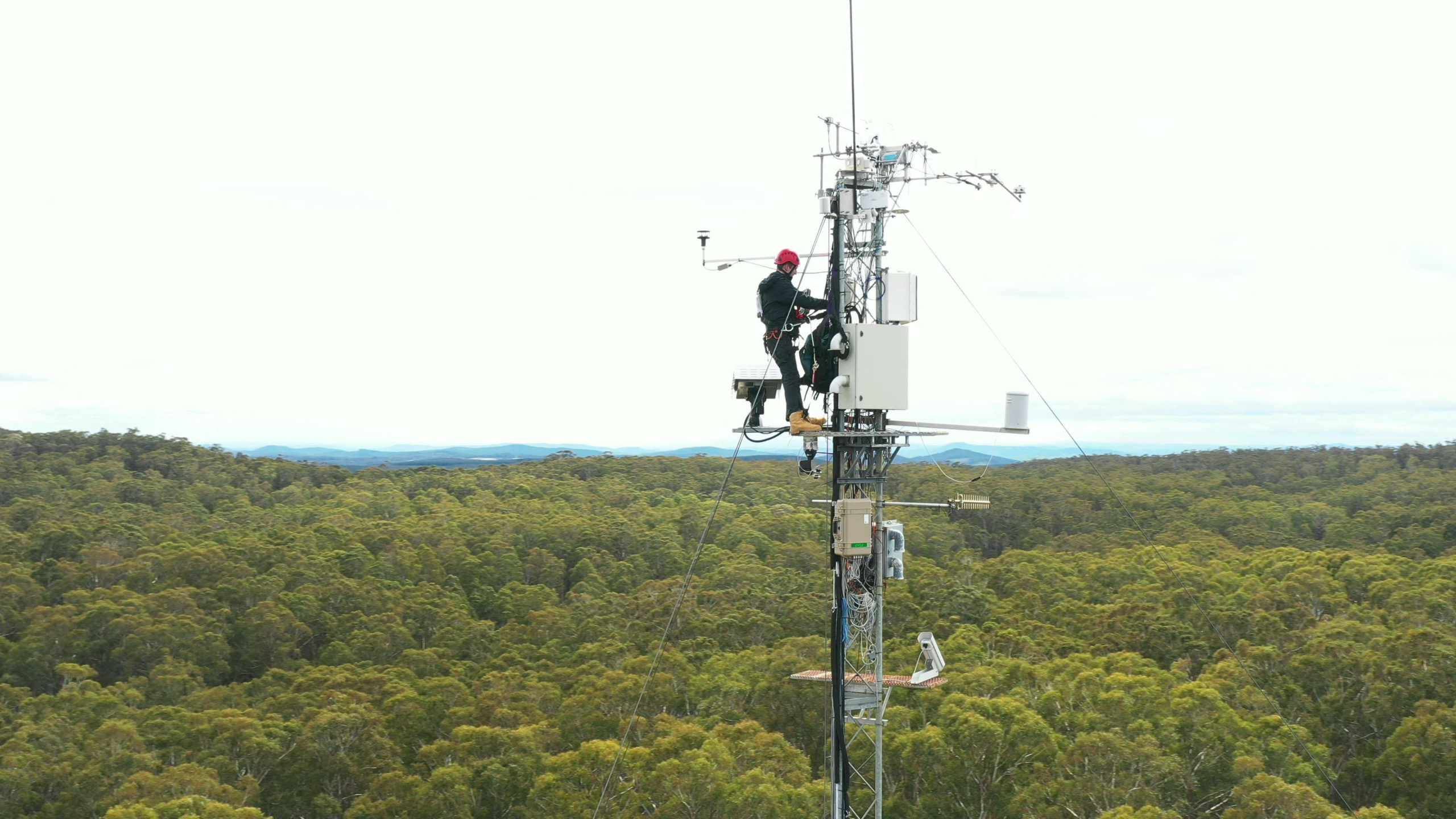
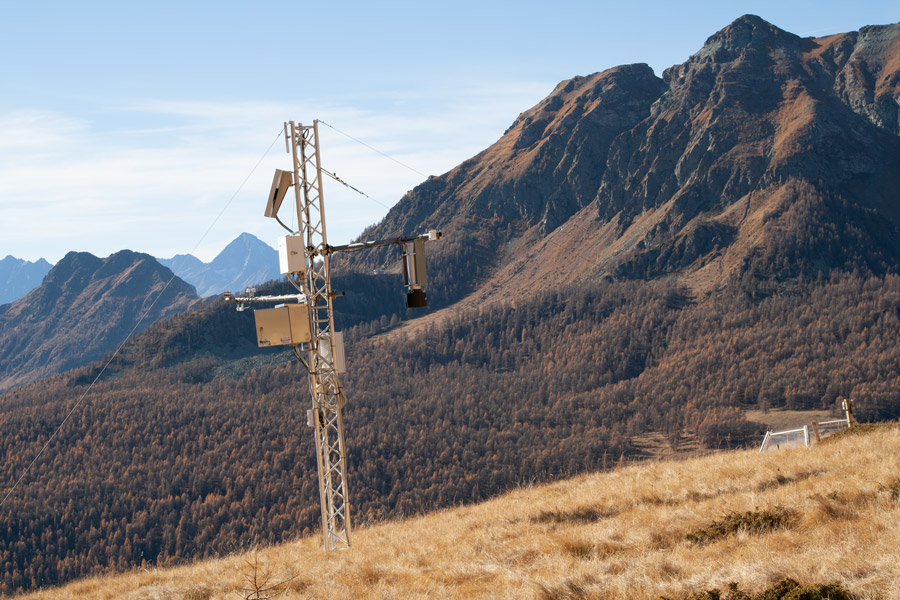
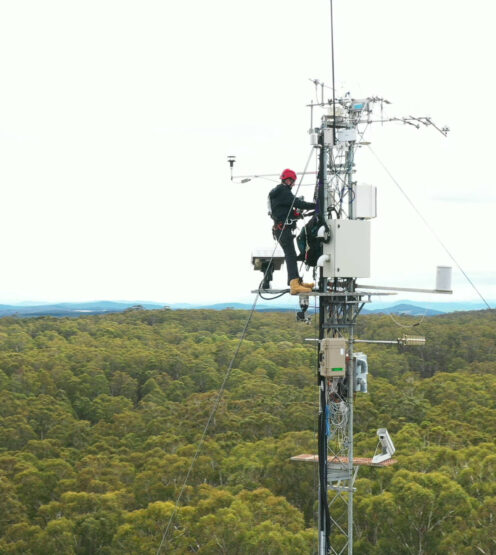
These systems are made for permanent outdoor installation. Depending on the configuration, they offer rugged waterproof housings, low power operation, autonomous acquisition, signal optimization, onboard storage, and interfaces for long deployments. This allows researchers to collect spectral time series without constant manual operation.
A modern field spectrometer captures many narrow and contiguous spectral bands. This high spectral resolution can reveal subtle features that broad band sensors may miss. In vegetation research, for example, spectral data can support the analysis of plant condition, canopy development, pigment dynamics, stress signals, and fluorescence related processes.
In remote sensing projects, field spectroscopy also helps build spectral libraries. These libraries support classification, spectral unmixing, model validation, and interpretation of hyperspectral imagery. When measurements are collected with clear protocols and known uncertainty, they become more valuable over time and across different research sites.
Field campaigns should not fail because a system is difficult to operate outdoors. JB Hyperspectral focuses on practical station readiness: stable outdoor performance, autonomous data capture, energy efficient operation, and robust measurement concepts. Whether the goal is vegetation monitoring, sensor validation, snow observation, or fluorescence research, our systems are built to deliver usable spectral data under real conditions.
With the right instrument design and measurement strategy, field spectroscopy connects ground truth with airborne, satellite, and model based environmental information.
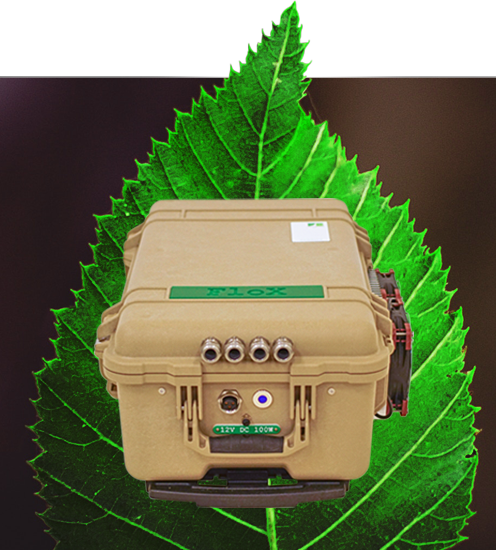
FLUORESCENCE BOX
Measuring chlorophyll fluorescence easy and reliably, the FloX is the key to a new understanding of plants.
FIND OUT MOREReflectance Box
Measuring reflectance effortless, the RoX is the all in one solution for your spectral survey.
FIND OUT MORENIR reflectance BoX
Measuring Visible and Near Infrared radiance and reflectance, extending the RoX capabilities towards the NIR
FIND OUT MORENoX (Near Infrared Reflectance Box)
Applications
Continuous reflectance monitoring that extends into the near infrared, including vegetation, snow, and harsh climate sites.
Advantages
Visible to near infrared coverage up to 1650 nm, dual field of view radiance and irradiance concept, rugged low power design for permanent outdoor installation.
Spectral range
~350–1100 nm (Spec 1) and ~900–1650 nm (Spec 2).
Dual FOV geometry
Upwelling radiance 25° and downwelling radiance 180°
Built for unattended monitoring
automatic signal optimization, accurate dark current determination each cycle, fully autonomous acquisition, quick measurements
RoX (Reflectance Box)
Application
Long term reflectance time series for environmental monitoring, including vegetation, water quality, and snow and ice studies.
Advantages
Fully autonomous weatherproof operation with low power consumption, dual channel irradiance and radiance workflow, stability checks and metadata for consistent time series.
Spectral range
VIS-NIR ~400–950 nm (other options available on demand).
Spectral performance
SSI ~0.65 nm and FWHM ~1.5 nm (SNR ~250).
Fast & autonomous in the field
Fully autonomous acquisition, quick measurements, large SD storage.
FloX (Fluorescence Box)
Applications
Passive chlorophyll fluorescence monitoring under natural light, for plant function tracking and SIF related research.
Advantages
Extremely high spectral resolution in the red and near infrared, dual channel design for irradiance and radiance, autonomous acquisition with signal optimization for reliable outdoor deployment.
Fluorescence-optimized core range
650–800 nm with SSI 0.17 nm and FWHM 0.3 nm (Spec 1).
Dual FOV geometry
Upwelling radiance 25° and downwelling radiance 180°.
Unattended station capability
fully autonomous acquisition, 20 s (sun) / 60 s (overcast), SD storage up to 32 GB (~12 months).
JB Hyperspectral Devices GmbH
Am Botanischen Garten 33
40225, Düsseldorf – Germany