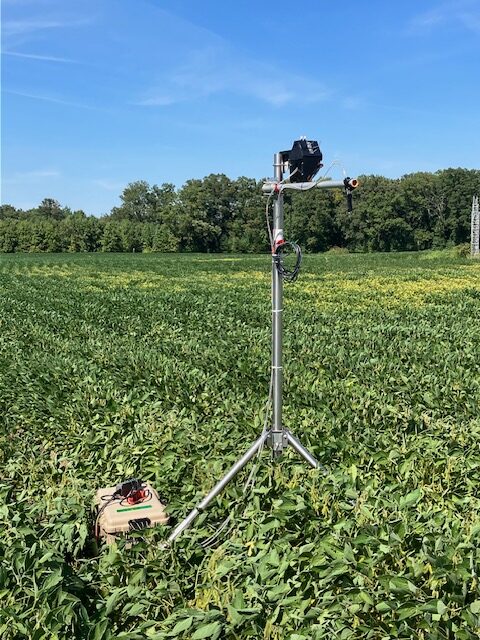
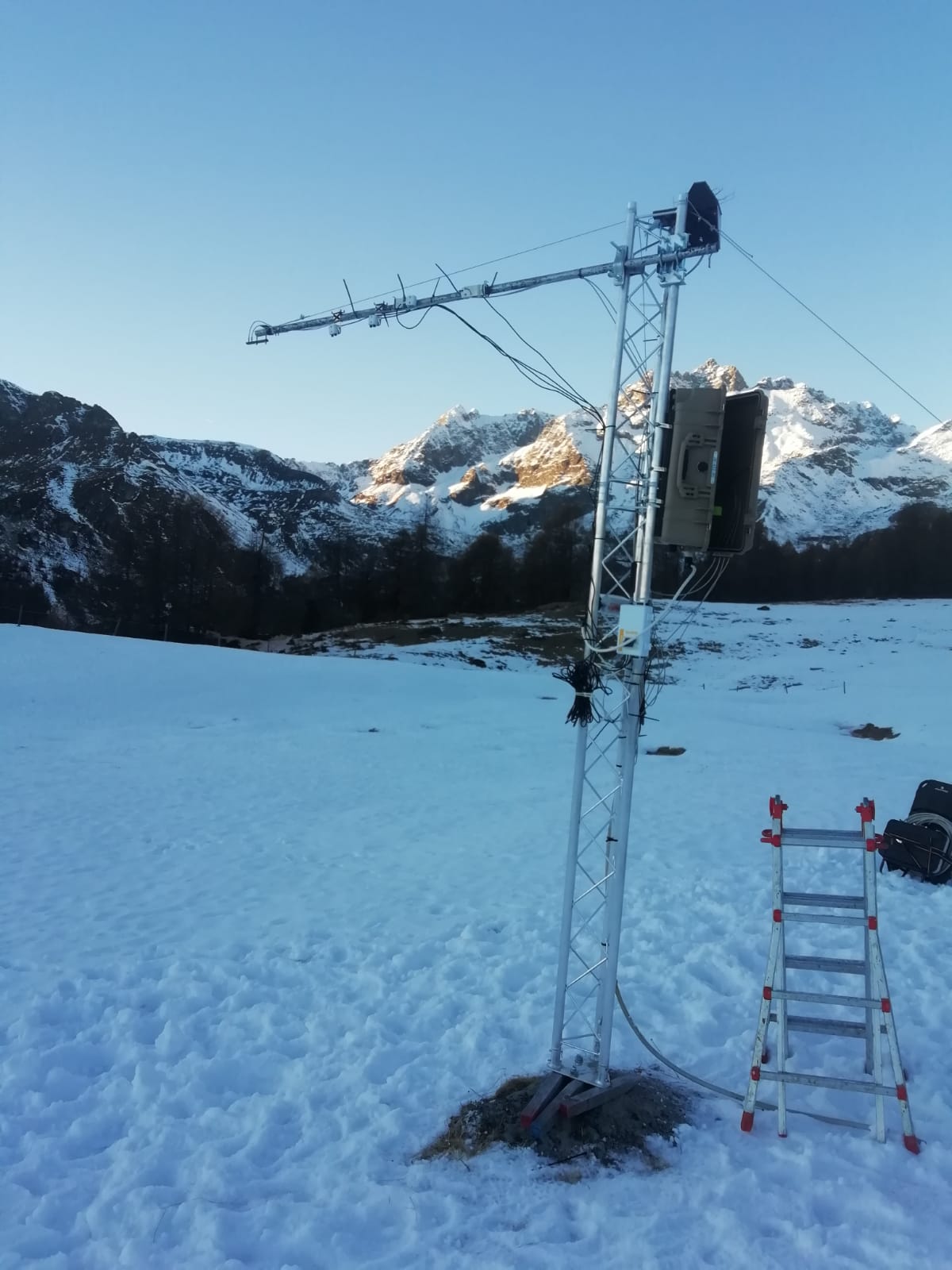
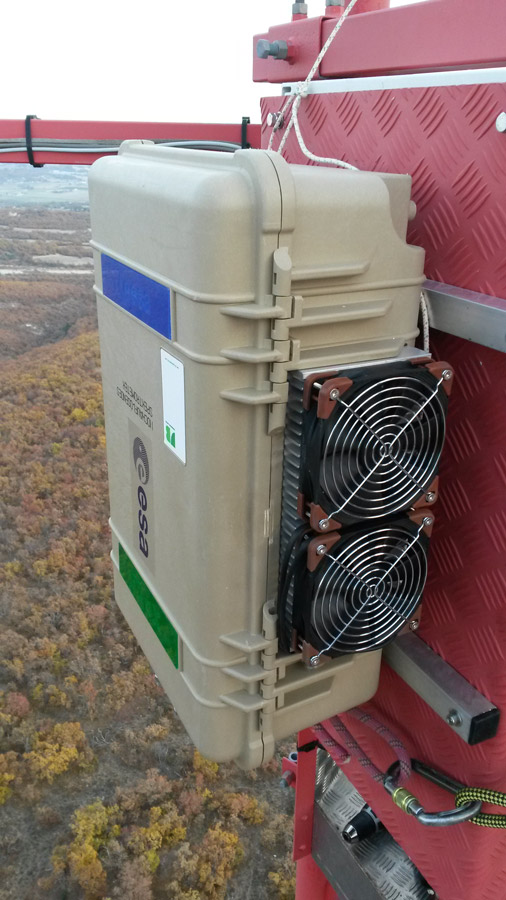
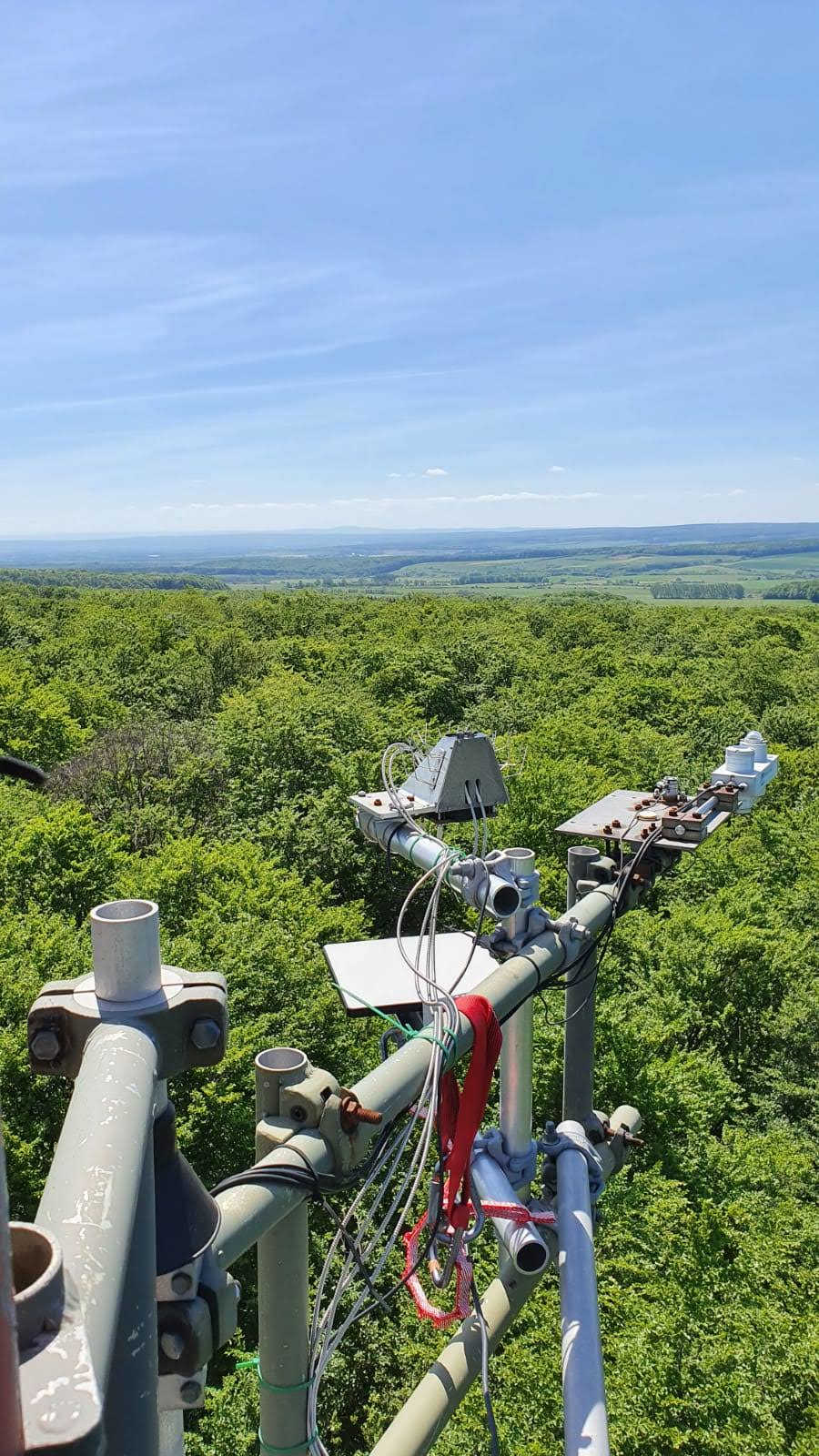
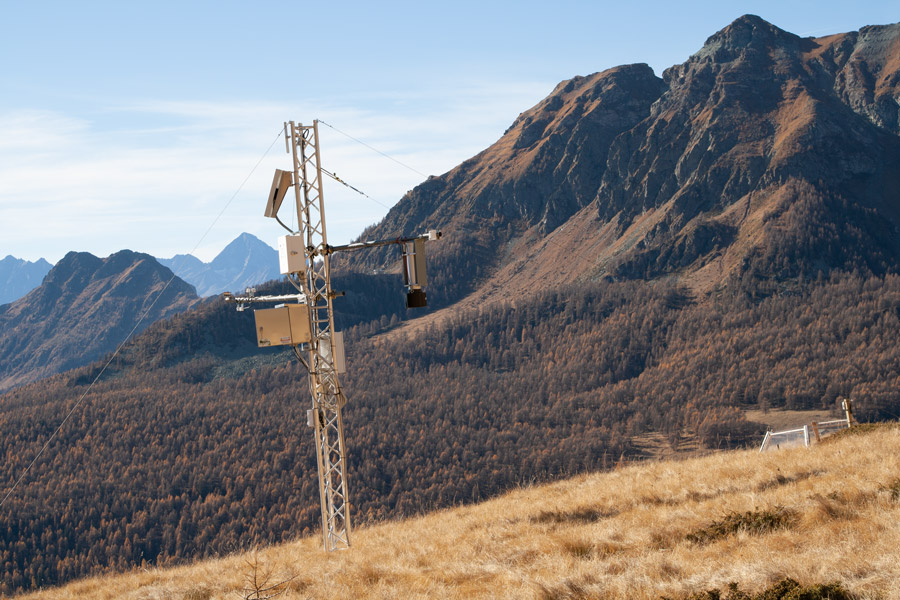
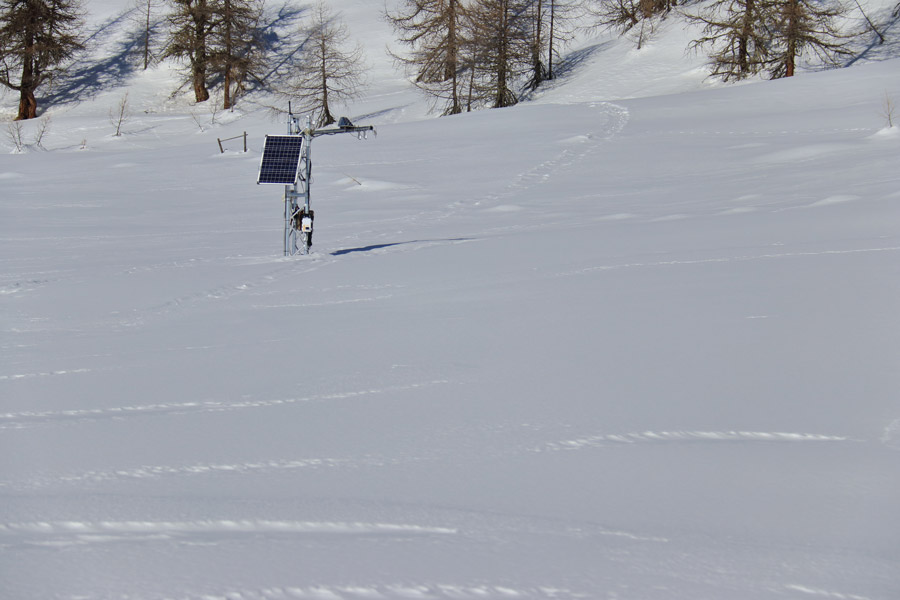
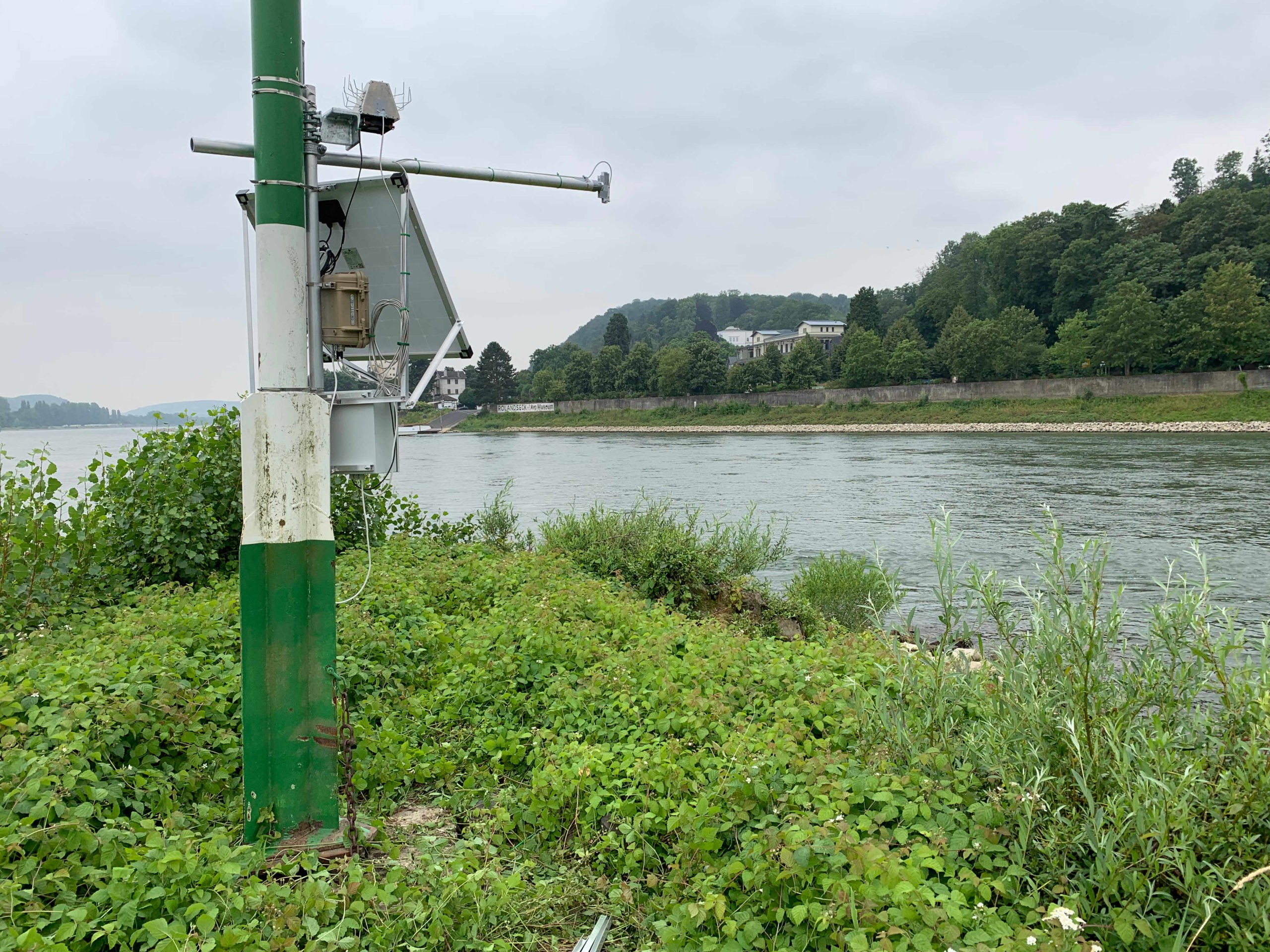
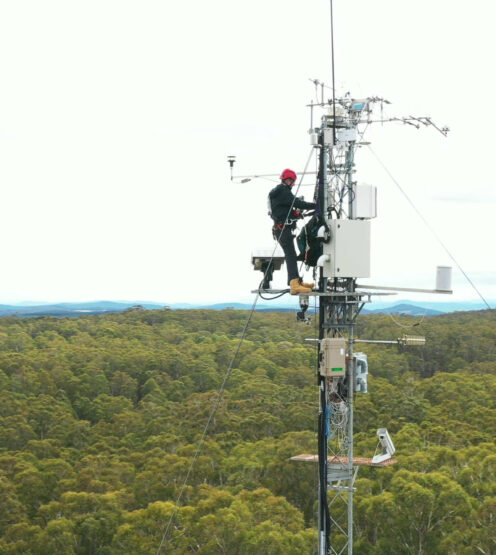
FloX Installed at the Tumbarumba experimental site, Austalia

Field Spectrometer

Systems for outside spectral data

A field spectrometer must deliver stable spectra under real conditions. Variable sunlight, dust, and long deployments make optics, calibration, and metadata critical. That is why field spectroradiometry is used for remote sensing validation and environmental monitoring for long campaigns.

DESCRIPTION

What matters outdoors

Outdoor measurements demand both strong spectral performance and radiometric reliability. In changing sunlight and temperatures, effects like dark current, temperature dependence, and cosine response can shift results if they are not handled in the instrument design.

A second key factor is stable measurement geometry. For long time series, defined viewing angles and robust capture of downwelling illumination help keep datasets comparable across hours, seasons, and sites.

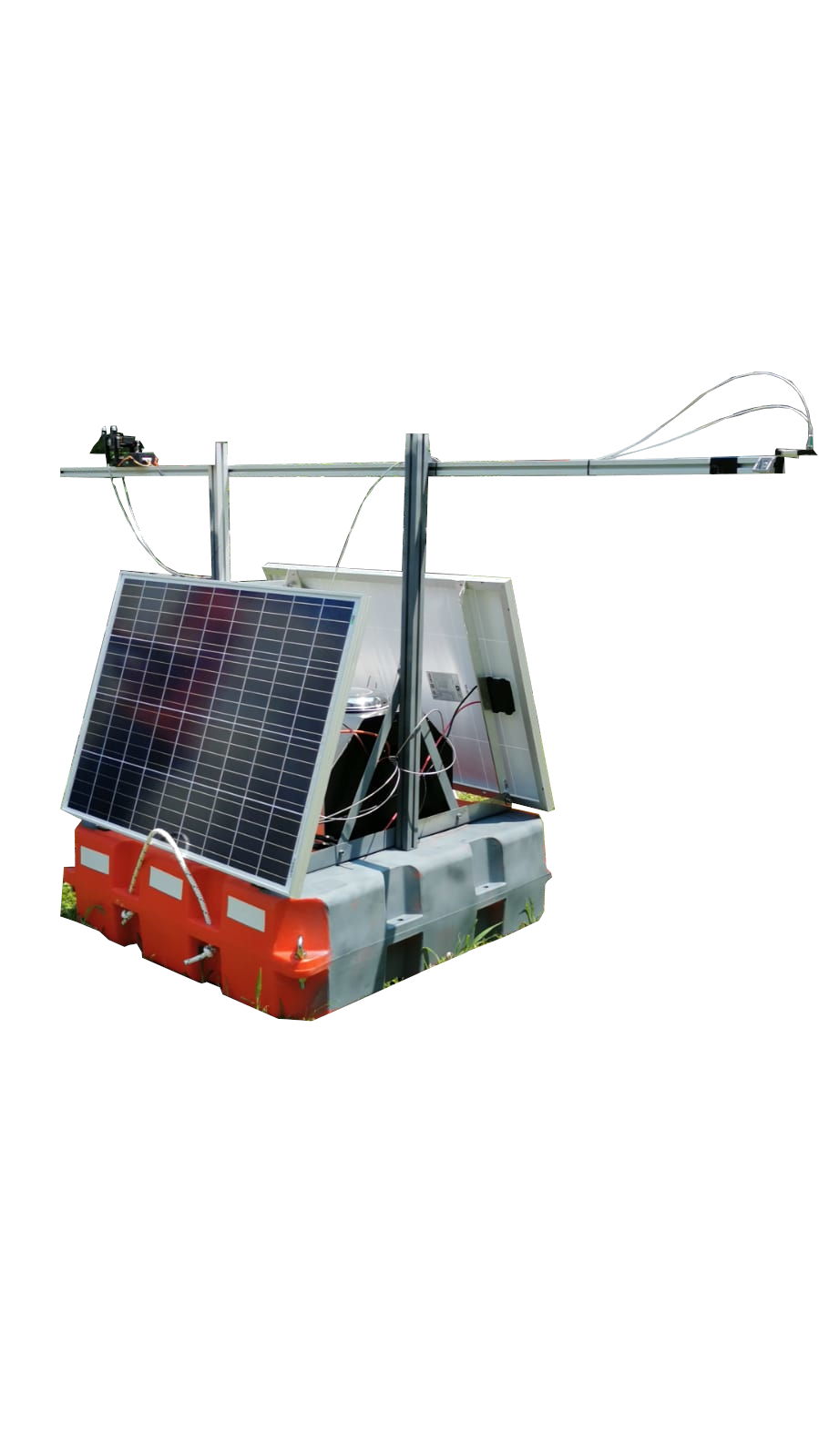
Third, field work is won or lost by station readiness. Weatherproof housings, low power operation, day and night energy saving, onboard storage, and reliable interfaces determine whether a system runs unattended for weeks instead of needing constant attention.

All of these are the focus of JB Hyperspectral’s RoX, NoX, and FloX, which are built for permanent outdoor installation with features such as rugged waterproof cases, a 12 V battery or solar supply, and autonomous operation with long duration SD logging.
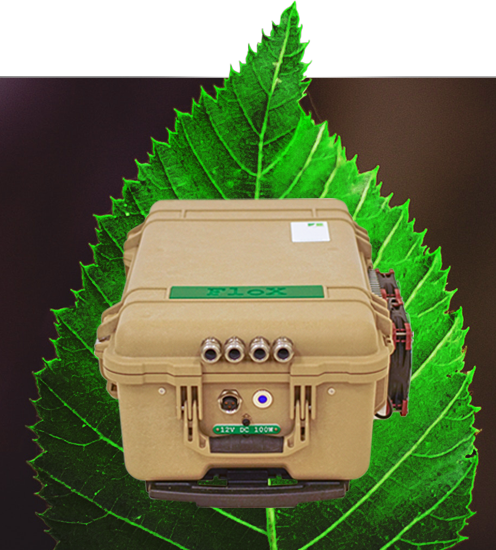
Flox

FLUORESCENCE BOX

Measuring chlorophyll fluorescence easy and reliably, the FloX is the key to a new understanding of plants.

FIND OUT MORE

ROX

Reflectance Box

Measuring reflectance effortless, the RoX is the all in one solution for your spectral survey.

FIND OUT MORE

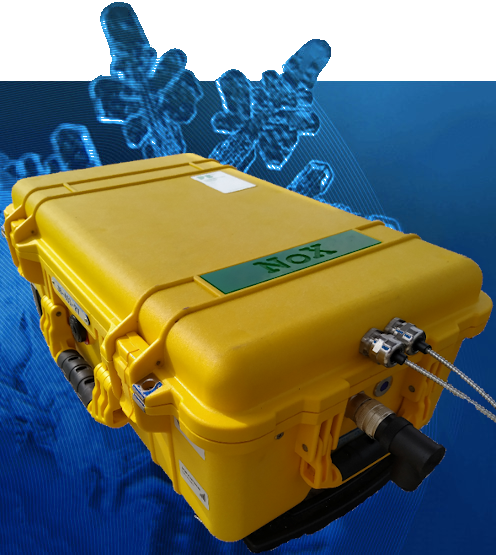
NOX

NIR reflectance BoX

Measuring Visible and Near Infrared radiance and reflectance, extending the RoX capabilities towards the NIR

FIND OUT MORE

Specifications

NoX (Near Infrared Reflectance Box)

Applications

Continuous reflectance monitoring that extends into the near infrared, including vegetation, snow, and harsh climate sites.

Advantages

Visible to near infrared coverage up to 1650 nm, dual field of view radiance and irradiance concept, rugged low power design for permanent outdoor installation.

Spectral range

~350–1100 nm (Spec 1) and ~900–1650 nm (Spec 2).

Dual FOV geometry

Upwelling radiance 25° and downwelling radiance 180°

Built for unattended monitoring

automatic signal optimization, accurate dark current determination each cycle, fully autonomous acquisition, quick measurements

RoX (Reflectance Box)

Application

Long term reflectance time series for environmental monitoring, including vegetation, water quality, and snow and ice studies.

Advantages

Fully autonomous weatherproof operation with low power consumption, dual channel irradiance and radiance workflow, stability checks and metadata for consistent time series.

Spectral range

VIS-NIR ~400–950 nm (other options available on demand).

Spectral performance

SSI ~0.65 nm and FWHM ~1.5 nm (SNR ~250).

Fast & autonomous in the field

Fully autonomous acquisition, quick measurements, large SD storage.

FloX (Fluorescence Box)

Applications

Passive chlorophyll fluorescence monitoring under natural light, for plant function tracking and SIF related research.

Advantages

Extremely high spectral resolution in the red and near infrared, dual channel design for irradiance and radiance, autonomous acquisition with signal optimization for reliable outdoor deployment.

Fluorescence-optimized core range

650–800 nm with SSI 0.17 nm and FWHM 0.3 nm (Spec 1).

Dual FOV geometry

Upwelling radiance 25° and downwelling radiance 180°.

Unattended station capability

fully autonomous acquisition, 20 s (sun) / 60 s (overcast), SD storage up to 32 GB (~12 months).

FAQ

What is field spectroscopy?

Field spectroscopy is the in situ (on-site) measurement of how natural targets (e.g., vegetation, soil, water, snow, rock) interact with electromagnetic radiation, typically by capturing their reflectance or radiance spectra under real outdoor conditions. It’s widely used to characterize surface materials, build reference spectra, and support the calibration/validation of airborne and satellite sensors.

What is a spectrometer used for?

A spectrometer is used to separate and measure a “spectrum”, most commonly the intensity of light across wavelengths. From the measured spectrum, you can identify and quantify material properties, because different substances and states produce distinctive spectral signatures (absorption, emission, reflectance features). That’s why spectrometers are used in chemistry and physics for composition and concentration analysis, and in remote sensing for material identification and mapping.

What is the delivery time of the spectrometer?

Delivery time ranges from one to a maximum of three months.

Can JB provide assistance for instrument installation?

Yes. Just get in touch with us to request our installation service.

microscopy background image

Contact us for more info about our products

Contact us