Measurement Parameters of Modern Environmental Monitoring Sensors
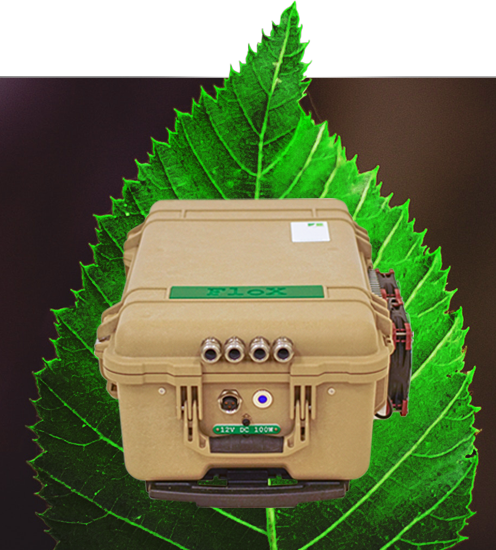
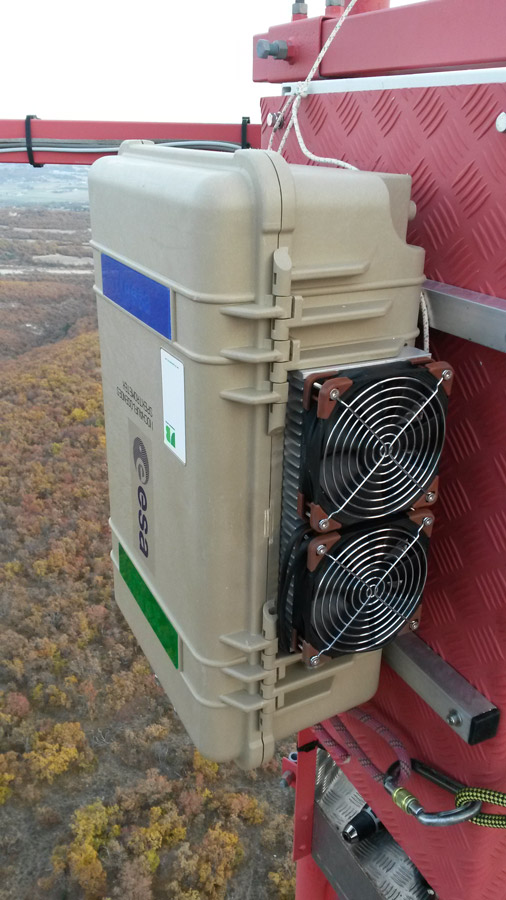
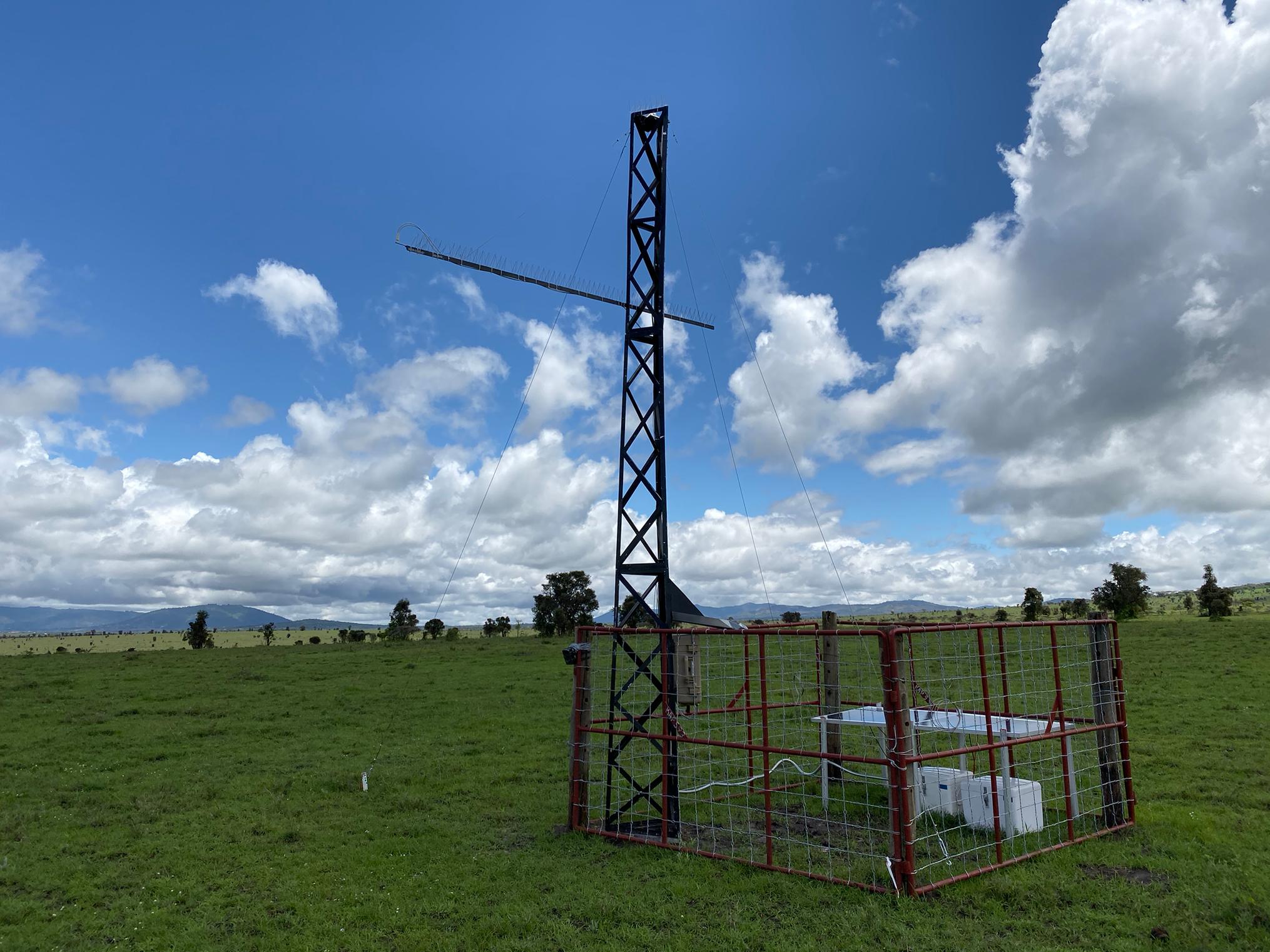
Temperature is one of the fundamental measurements, as it influences many physical and biological processes. Sensors continuously record temperature values, allowing changes in natural or technical environments to be detected early. Humidity also plays an important role. Humidity affects vegetation, material properties, and atmospheric processes. An environmental monitoring sensor precisely records these values by using integrated detectors to capture even the smallest changes in the environment, for example with systems such as the Flox Fluroscence Box. Air quality is also frequently measured. Sensors analyze, for example, concentrations of gases or particles. On the one hand, this data enables precise environmental analysis; on the other hand, it supports long-term monitoring strategies.
This creates a clear picture of the state of an ecosystem or a technical environment. An environmental monitoring sensor can detect and analyze electromagnetic radiation. Materials reflect light in different wavelength ranges. This creates spectral signatures that allow conclusions to be drawn about chemical or physical properties. By capturing this spectral information, sensors enable the precise investigation of surfaces, vegetation, or environmental changes. In this way, an environmental monitoring sensor provides valuable data for environmental research, monitoring programs, and industrial applications.
Integration of Environmental Monitoring Sensors into Monitoring Systems
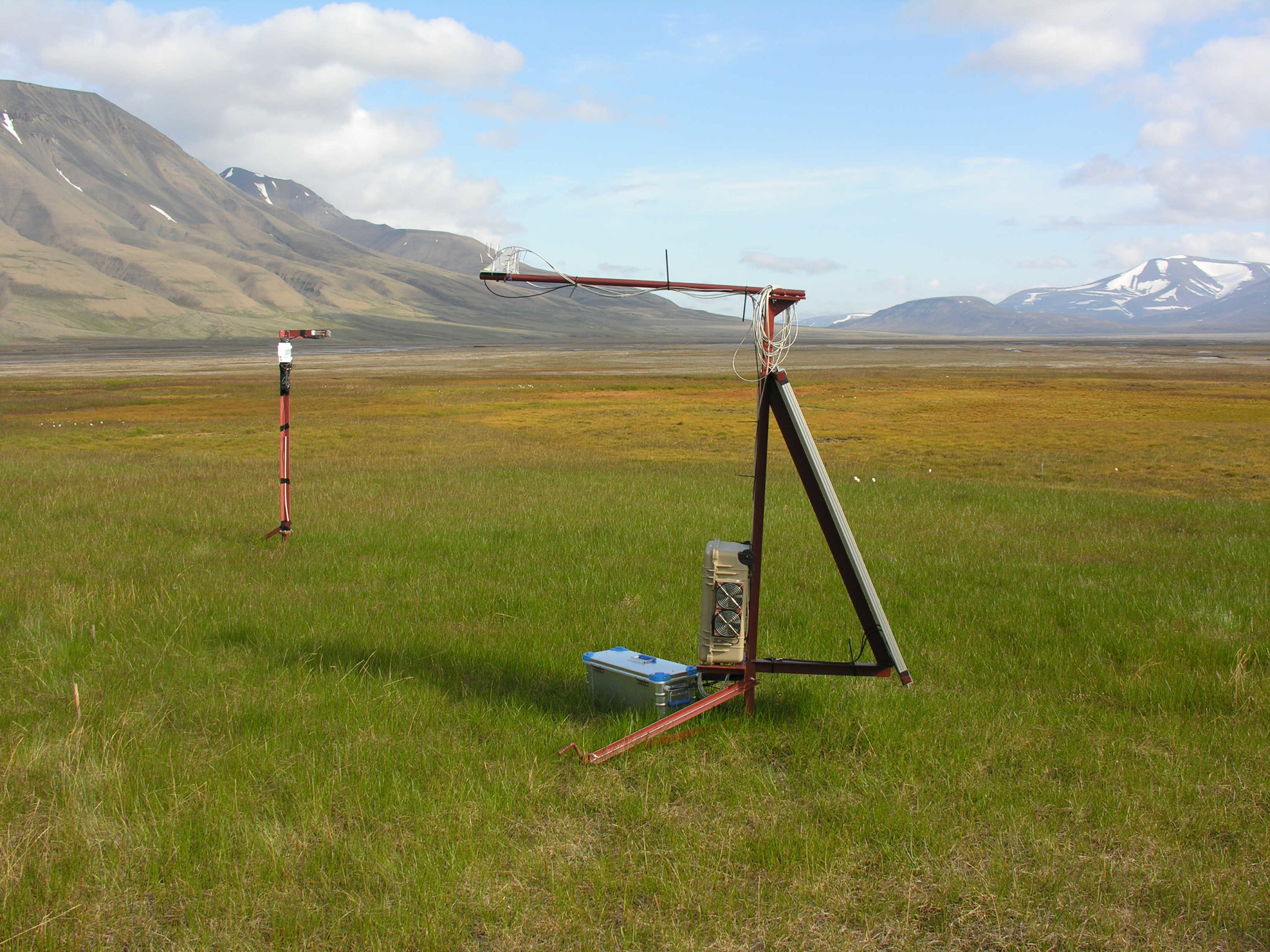
Modern monitoring solutions rely on reliable data acquisition. An environmental monitoring sensor forms the central interface between the environment and the analysis platform. Sensors continuously acquire physical or optical parameters. The measured values are then digitized and transmitted to higher-level systems. This creates a stable database for environmental analyses, as implemented in advanced monitoring solutions by JB Hyperspectral. In many applications, sensors operate within a sensor network. Multiple measuring points simultaneously deliver data from different areas. An environmental monitoring sensor can thus simultaneously acquire temperature, humidity, or spectral information. On the one hand, this increases the spatial resolution of measurements; on the other hand, it improves the reliability of the analysis.
Integration is often achieved via data loggers, gateways, or cloud platforms. Measurement data is automatically collected, processed, and visualized. This allows for the early detection of changes in the environment. An environmental monitoring sensor therefore not only provides individual values but also supports continuous monitoring processes. By connecting sensors to analysis platforms, an intelligent monitoring system is created. Such systems are used in research, agriculture, and industry. They enable precise monitoring of environmental conditions and simultaneously support data-driven decision-making. A modern environmental monitoring sensor therefore combines sensor technology, data transmission and analysis into a powerful tool for long-term environmental monitoring.