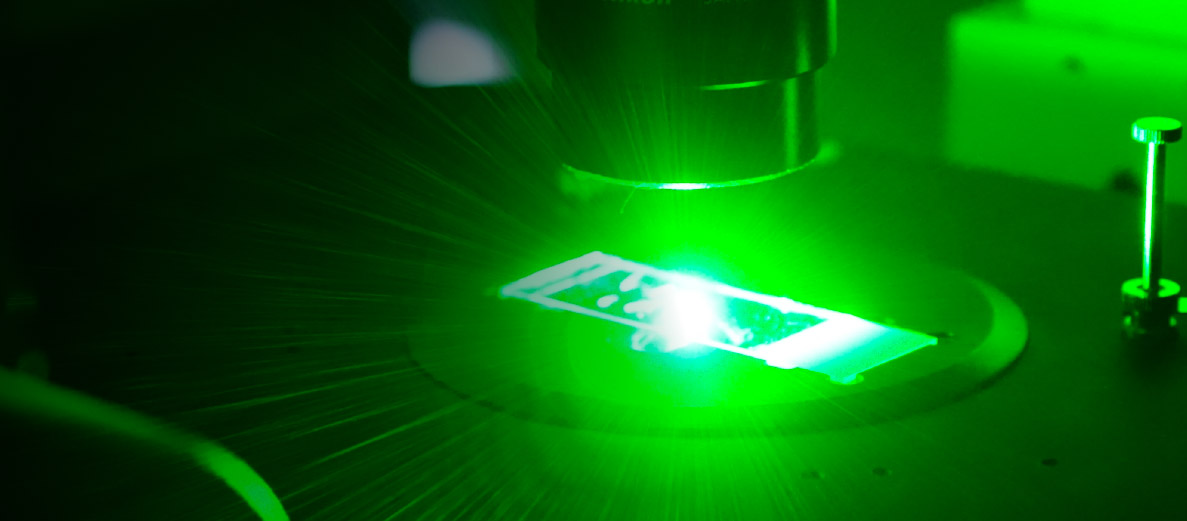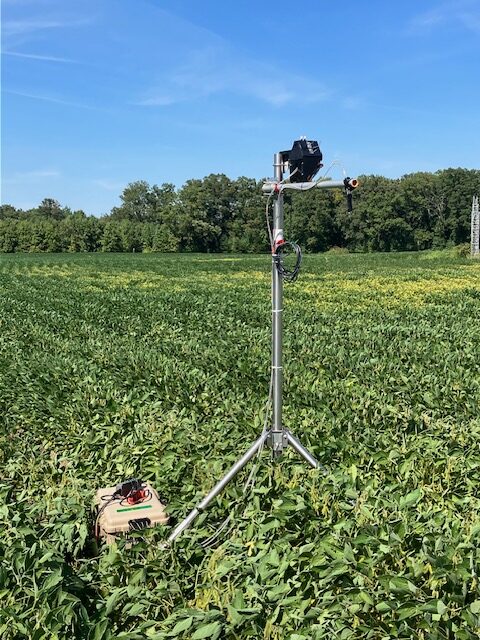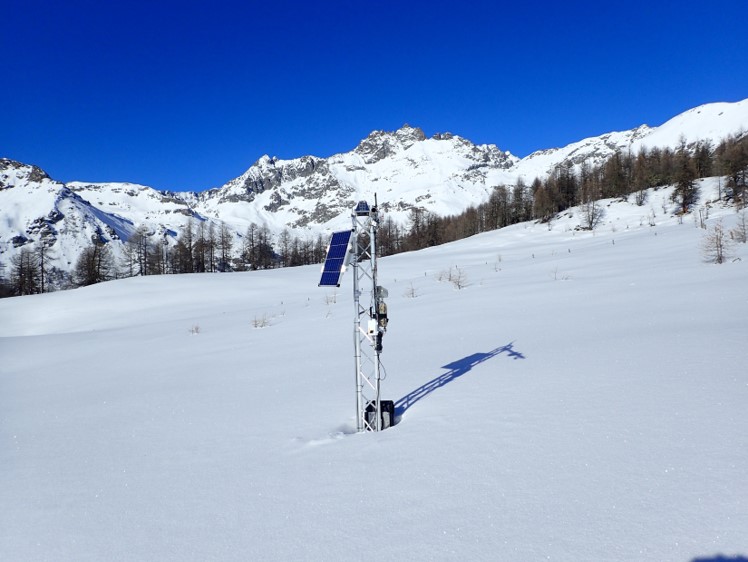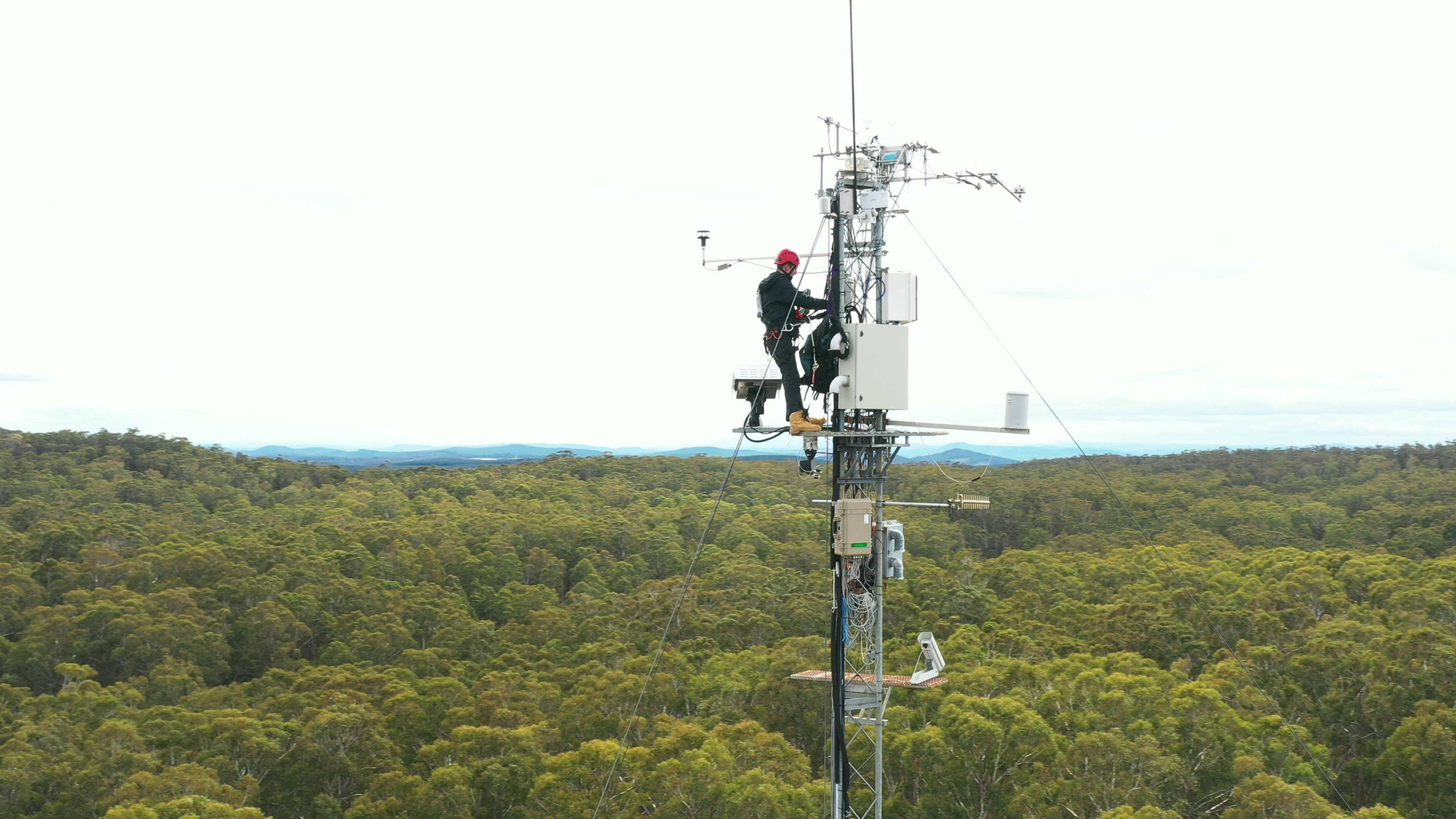

It is used to measure physical or chemical properties of an object using light, including distance, shape, surface quality, and material composition, without any physical contact.

An optical measurement instrument uses light instead of physical contact to capture information about an object. It processes light waves to analyze properties such as distance, shape, surface roughness, or chemical composition. This makes measurement fast, precise, and non-destructive. As a result, tiche technology has become essential across manufacturing, life sciences, and environmental research.
At its core, an optical measurement instrument is a device that interacts with light to derive reliable data. It measures how a target reflects, refracts, transmits, absorbs, or emits light, and it converts that behavior into usable results. Because measurement and digital transmission happen almost in real time, response times are short and even complex, critical inspection tasks can be handled with high accuracy. Working without contact also means there is no wear and no risk of damaging the component under test.
The field is broad, and different optical measuring instruments are built to analyze different properties of light or materials. Common examples include:
Microscopes, telescopes, and cameras are the classic optical instruments for imaging, while the devices above are optimized for measurement and analysis.
Every optical measurement device follows a similar principle. Light interacts with the object, and the instrument records the characteristics of the light that returns. Interferometry uses overlapping beams to measure tiny distances. Deflectometry and structured-light projection reconstruct surfaces from the way patterns bend across them. A spectrometer, meanwhile, uses gratings, prisms, or interference filters to split light into narrow wavelength ranges and measures the intensity in each channel. The resulting signal is calibrated and compared against reference data, which is why calibration is decisive for repeatable, comparable results.
The benefits explain the technology’s popularity: measurements are contact-free, non-destructive, wear-free, fast, and suitable for almost any material and for both surfaces and three-dimensional objects. These strengths support a wide range of applications, from 100 percent quality control in series production to vegetation and food inspection, recycling and industrial sorting, biomedical research, archaeology, aerospace, and remote sensing. Users should be aware that optical methods can be sensitive to temperature, vibration, and ambient light, so proper setup and calibration remain important.
Reflectance Box
Measuring reflectance effortless, the RoX is the all in one solution for your spectral survey.
FIND OUT MOREFLUORESCENCE BOX
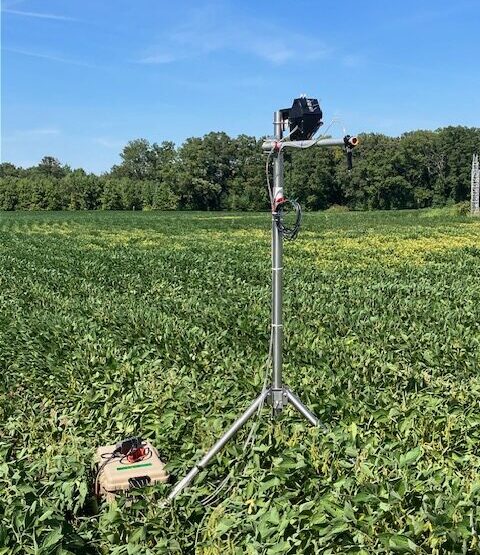
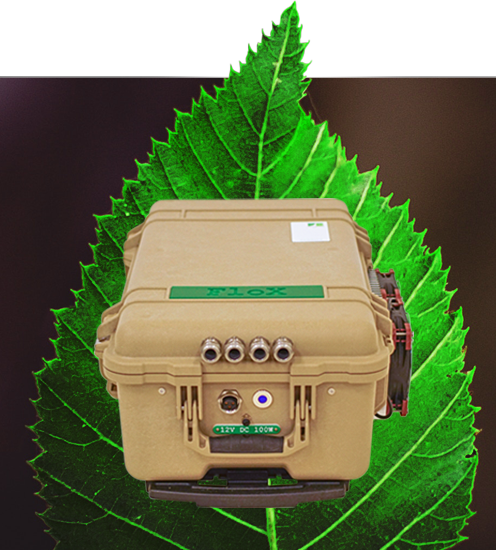
Measuring chlorophyll fluorescence easy and reliably, the FloX is the key to a new understanding of plants.
FIND OUT MORENIR reflectance BoX
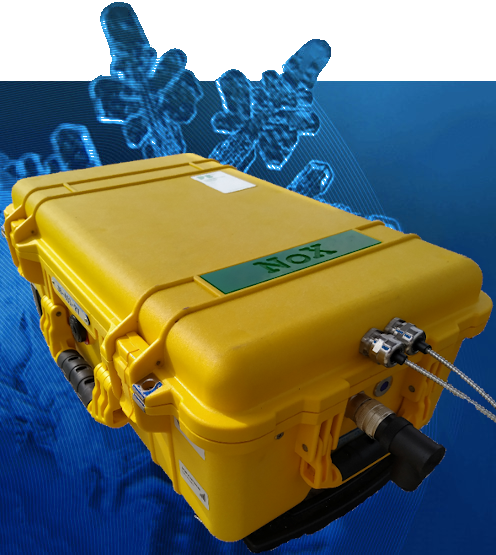
Measuring Visible and Near Infrared radiance and reflectance, extending the RoX capabilities towards the NIR
FIND OUT MORE
JB Hyperspectral Devices GmbH
Am Botanischen Garten 33
40225, Düsseldorf – Germany