Spectral Range and Material Sensitivity in SWIR
The spectral range in short-wave infrared (SWIR) typically lies between 900 and 2500 nanometers. Materials react very differently in this range, as molecular vibrations generate characteristic absorption bands. This is precisely where SWIR field spectrometers come into play, making even the smallest differences visible. This allows you to identify chemical compositions much more precisely than in the visible spectrum. Water, organic compounds, and minerals exhibit clear signatures in the SWIR range. On the one hand, this enables precise material identification; on the other hand, moisture content can also be reliably determined. This is particularly relevant for industrial applications, as even minimal deviations become measurable.
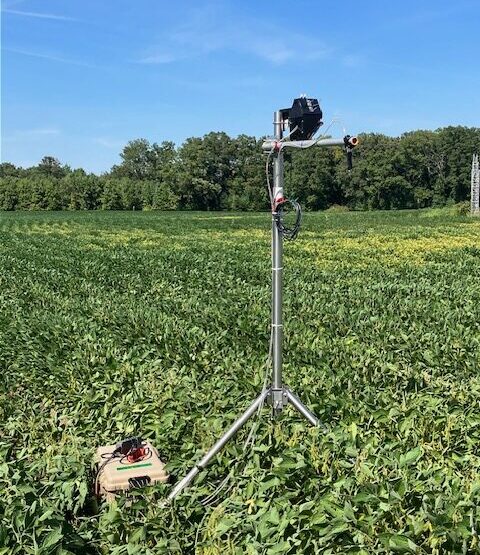
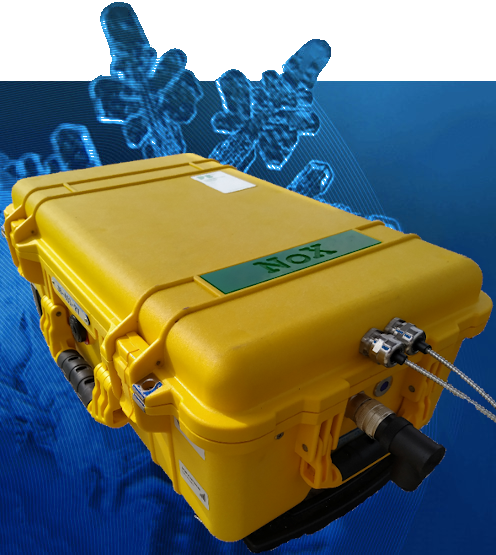
SWIR field spectrometers utilize these physical properties by analyzing reflected light and resolving it spectrally. Systems such as NOX demonstrate how precise and reliable these measurements can be under real field conditions. However, factors such as surface structure and scattering influence the measurement result. Therefore, a deep understanding of these interactions is crucial. You benefit from this understanding by not only acquiring data but also interpreting it correctly, especially in the research field where precise analysis is essential. The high sensitivity in the SWIR range opens up new possibilities in materials analysis. This gives you a clear information advantage when it comes to making precise decisions in the field.