Calibration models deliver reliable results, but only with a consistent data foundation. Regular model validation increases stability. This ensures accuracy and reduces deviations under varying conditions.

NIR spectroscopy in agriculture enables precise and rapid analysis of agricultural processes, reliably recording relevant material properties directly in the field.
NIR Spectroscopy in Agriculture enables data-driven control of agricultural processes directly in the field. You capture relevant parameters in real time, as plants, soils, and organic materials exhibit characteristic spectral signatures. This allows you to detect differences early and react accordingly. On the one hand, you increase the efficiency of your farming practices, and on the other hand, you improve the quality of your yields. In Precision Farming, you utilize this technology by integrating measurement data directly into your decision-making processes. For example, you analyze the condition of plants or the composition of the soil. This allows you to precisely optimize fertilization and irrigation. However, the significance of the data depends on correct interpretation, which is why experience and appropriate models remain crucial.
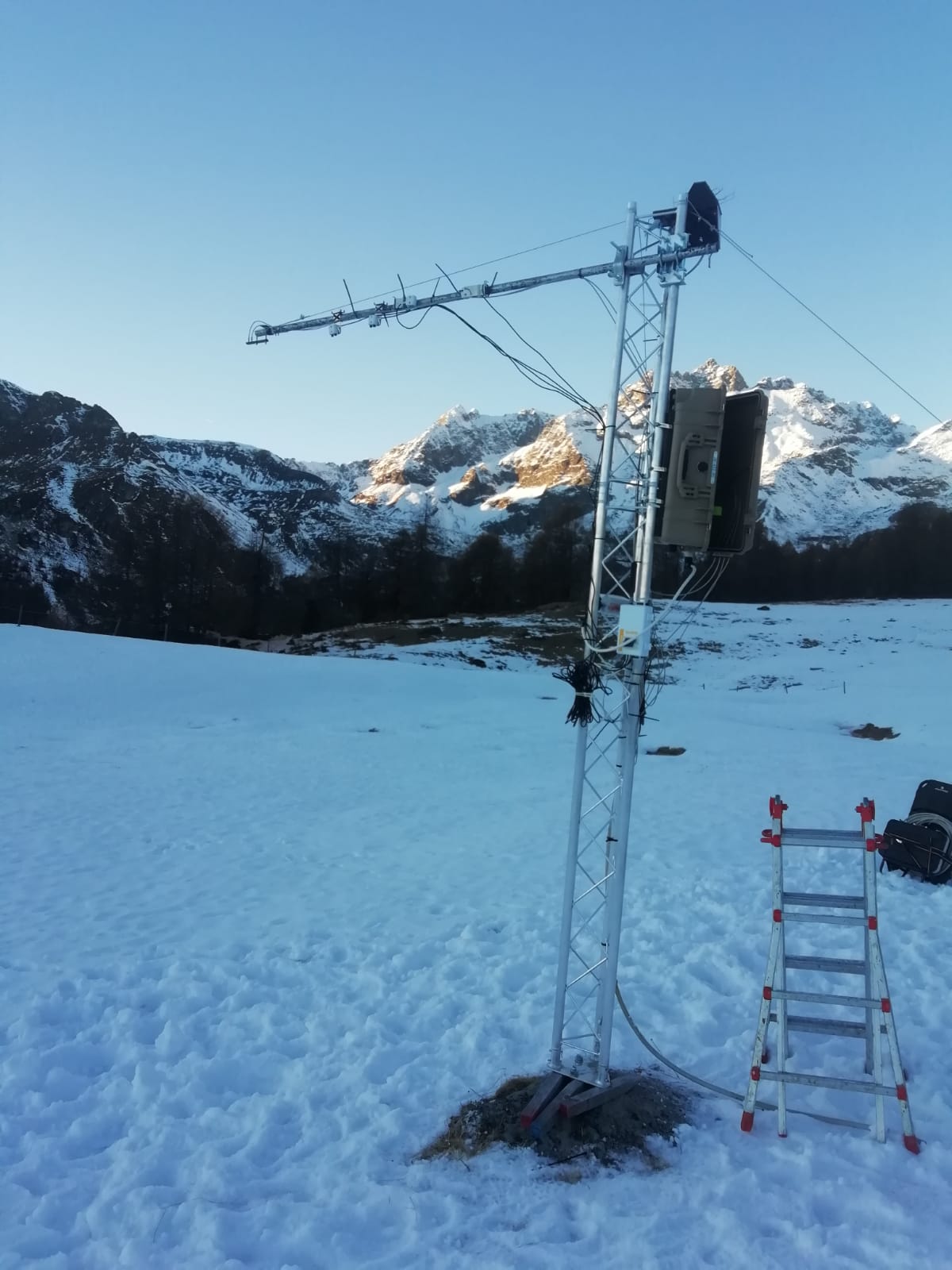
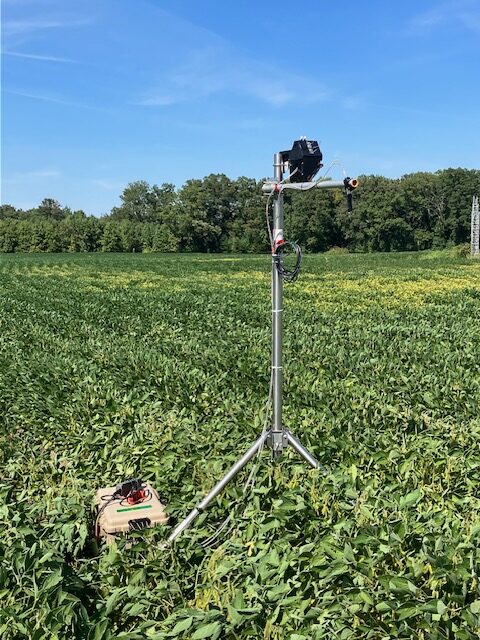
NIR Spectroscopy in Agriculture also supports you in continuous field monitoring, especially within the research field where precise data is essential. You receive rapid results without the time-consuming process of sending samples to a laboratory. This saves time and provides clarity. Like a digital sensor for your fields, you gain direct insight into ongoing processes. This enables you to make informed decisions that lead to more stable and sustainable results in the long term. You can analyze materials quickly, as measurements are taken in seconds. This saves time and reduces complex laboratory processes. On the one hand, you accelerate your decision-making, and on the other hand, you increase the accuracy of your analyses. A key advantage lies in the non-destructive measurement. You can examine plants or soils without altering samples, thus preserving natural processes. However, you only fully benefit if you interpret the data correctly. This is precisely where the value of modern products becomes apparent, as they deliver precise results and are easily integrated.
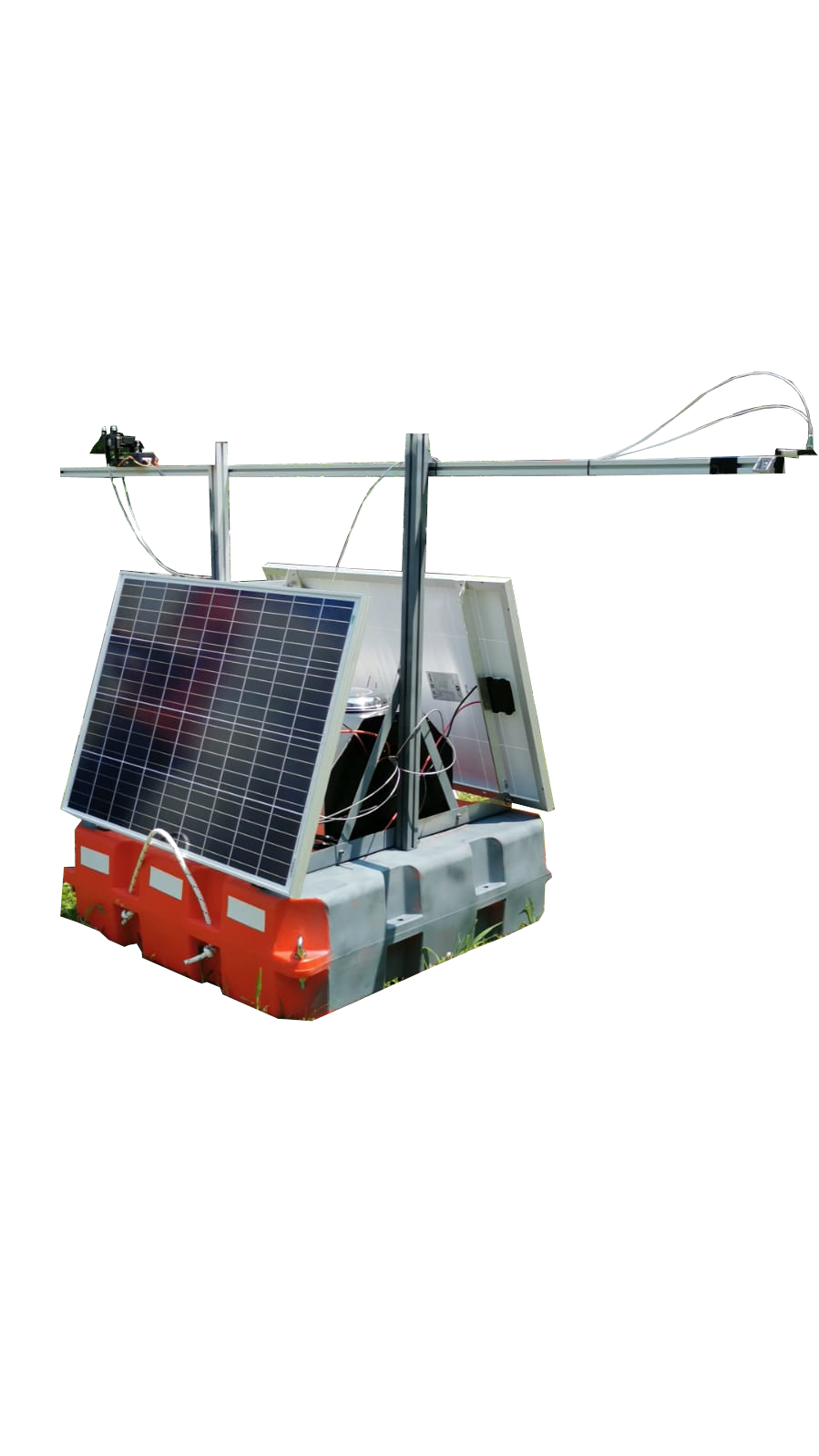
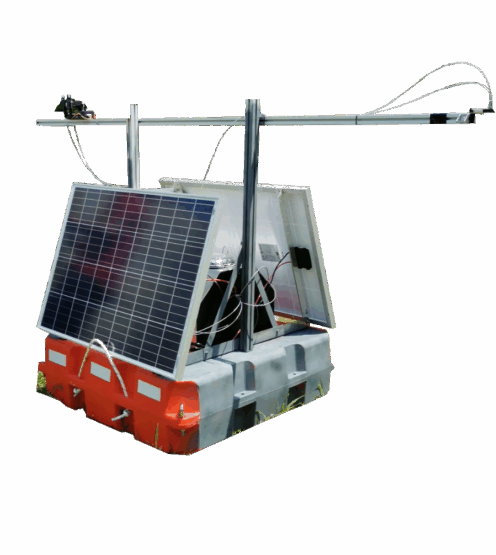
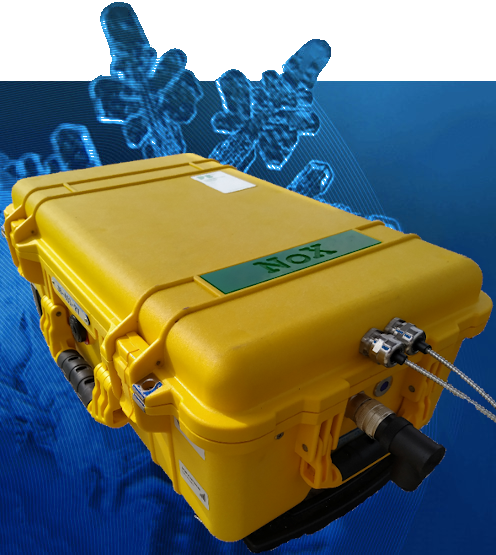
NIR reflectance BoX
Measuring Visible and Near Infrared radiance and reflectance, extending the RoX capabilities towards the NIR
FIND OUT MORE
JB Hyperspectral Devices GmbH
Am Botanischen Garten 33
40225, Düsseldorf – Germany