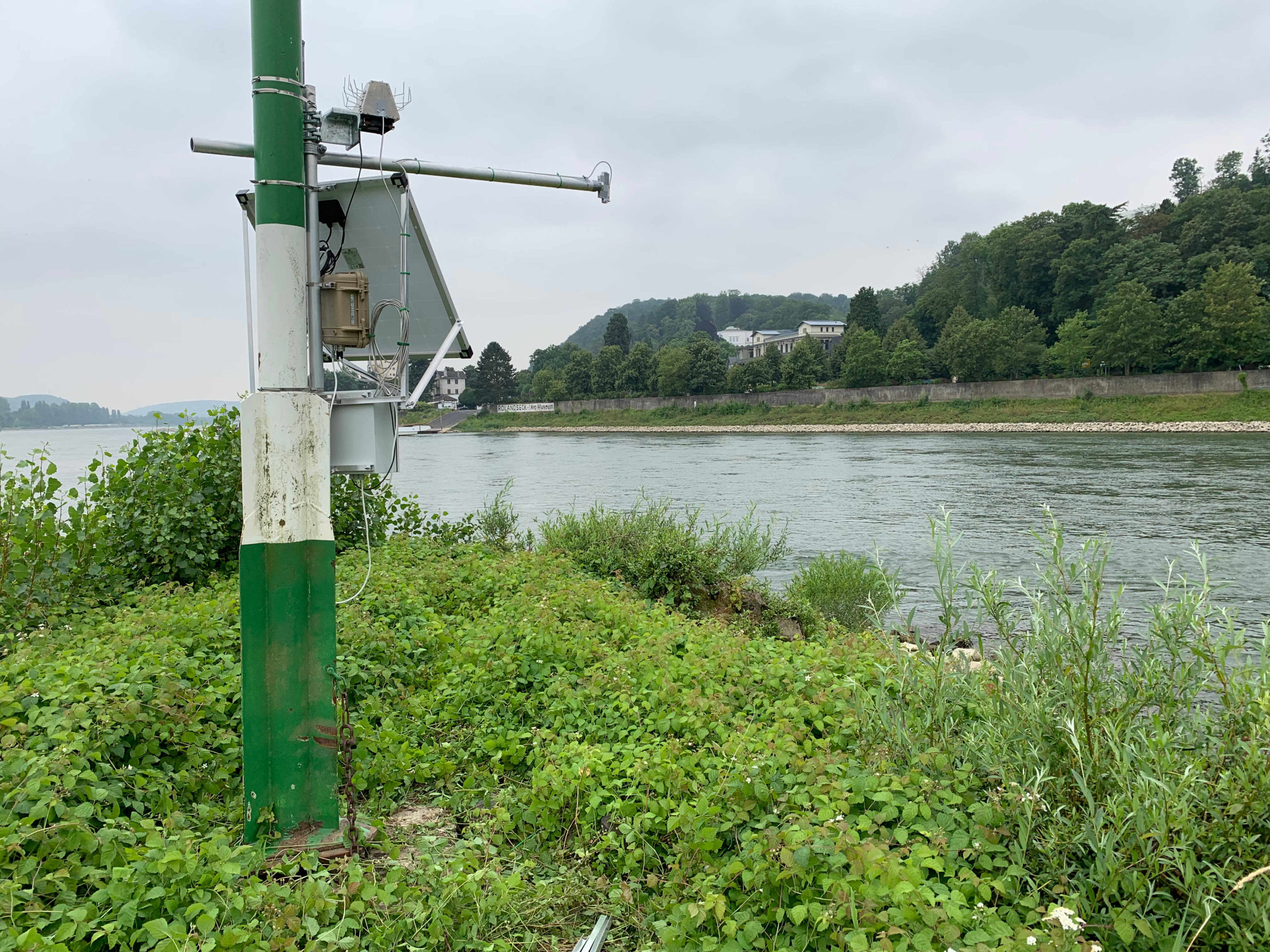
Environmental spectroscopy for detection of contaminants and chemical composition
Spectral resolution determines sensitivity, however calibration stability ensures reliable measurement results under variable environmental conditions. Environmental spectroscopy supports objective analysis, since spectral responses correlate directly with molecular and physical parameters. You derive quantitative information by applying validated spectral models. This allows reproducible assessment of environmental dynamics. On the one hand, hyperspectral sensing detects subtle spectral variations, on the other hand it supports scalable data acquisition across complex environments. Environmental spectroscopy enables non destructive analysis, thereby preserving sample integrity. By integrating hyperspectral systems, you achieve scientifically robust environmental characterization and reliable long term monitoring capabilities.
Environmental spectroscopy enables precise detection of contaminants by analyzing characteristic spectral absorption and reflectance features. You identify chemical compounds by evaluating wavelength specific interactions, thereby achieving accurate compositional analysis. Environmental spectroscopy supports quantitative detection, since molecular structures produce distinct spectral signatures. This allows objective identification of pollutants in soil, water, and atmospheric systems. The hyperspectral solutions from JB Hyperspectral enable reliable spectral acquisition, thereby ensuring high analytical precision in demanding environments. You detect concentration variations by applying calibrated spectral reference models. This improves analytical reliability under complex environmental conditions. On the one hand, hyperspectral sensing enables early contaminant detection, on the other hand it supports continuous environmental assessment. Environmental spectroscopy provides non destructive measurement capability, thereby preserving sample integrity. By integrating advanced spectral analysis, you obtain reproducible contaminant detection and scientifically validated chemical characterization across diverse environmental monitoring applications.
Advantages of hyperspectral environmental spectroscopy over conventional methods
Hyperspectral environmental spectroscopy provides significantly higher analytical resolution compared to conventional measurement approaches. You capture continuous spectral information, thereby enabling precise identification of chemical and physical parameters. Conventional techniques measure limited spectral ranges, however environmental spectroscopy delivers full spectral signatures. The Reflectance Box enables stable hyperspectral data acquisition, thereby ensuring precise spectral characterization across diverse environmental conditions. This improves detection sensitivity and enhances analytical reliability under variable environmental conditions.
You obtain quantitative environmental data by applying calibrated spectral models. This supports reproducible and scientifically valid analysis. On the one hand, hyperspectral systems enable early detection of subtle compositional changes, on the other hand they improve robustness across complex monitoring scenarios. Environmental spectroscopy allows non destructive measurement, thereby preserving environmental samples. By integrating hyperspectral technology, you achieve objective environmental assessment and reliable long term monitoring performance.