
Atmospheric spectroscopy is the analysis of how atmospheric gases, aerosols, surfaces, and radiation interact across different wavelengths. It helps researchers study composition, absorption behavior, emission patterns, and environmental change.

Atmospheric spectroscopy helps researchers understand how light interacts with gases, particles, surfaces, and radiative processes in the atmosphere. By analyzing spectral signatures outdoors, it becomes possible to study atmospheric composition, environmental change, and field data quality with greater confidence.
Atmospheric spectroscopy is powerful because every gas, particle, and surface interacts with electromagnetic radiation in a specific way. Light can be absorbed, emitted, reflected, or transmitted. These patterns create spectral information that reveals what is happening in the atmosphere, even when the processes are invisible to the human eye.
In real field conditions, measurements are never isolated. Solar radiation changes during the day. Humidity affects absorption. Aerosols influence scattering. Temperature, clouds, surface reflectance, and changing sun angles can all shape the measured signal. This is why atmospheric spectroscopy is essential for researchers who need more than a single snapshot. It helps turn complex outdoor conditions into comparable scientific data.
The method is especially valuable for climate research, ecosystem monitoring, vegetation studies, snow and ice research, and atmospheric gas analysis. Greenhouse gases such as carbon dioxide, methane, nitrous oxide, water vapor, and oxygen interact with radiation in measurable ways. By observing these interactions, researchers can better understand energy regulation, chemical reactions, atmospheric dynamics, and long term environmental trends.
For outdoor campaigns, the quality of the instrument matters as much as the method itself. Reliable atmospheric spectroscopy requires stable sensors, high temporal resolution, autonomous data acquisition, and robust performance under changing weather conditions. This is important in long term time series, where subtle diurnal cycles, seasonal changes, and short events can easily disappear in averaged or incomplete data.
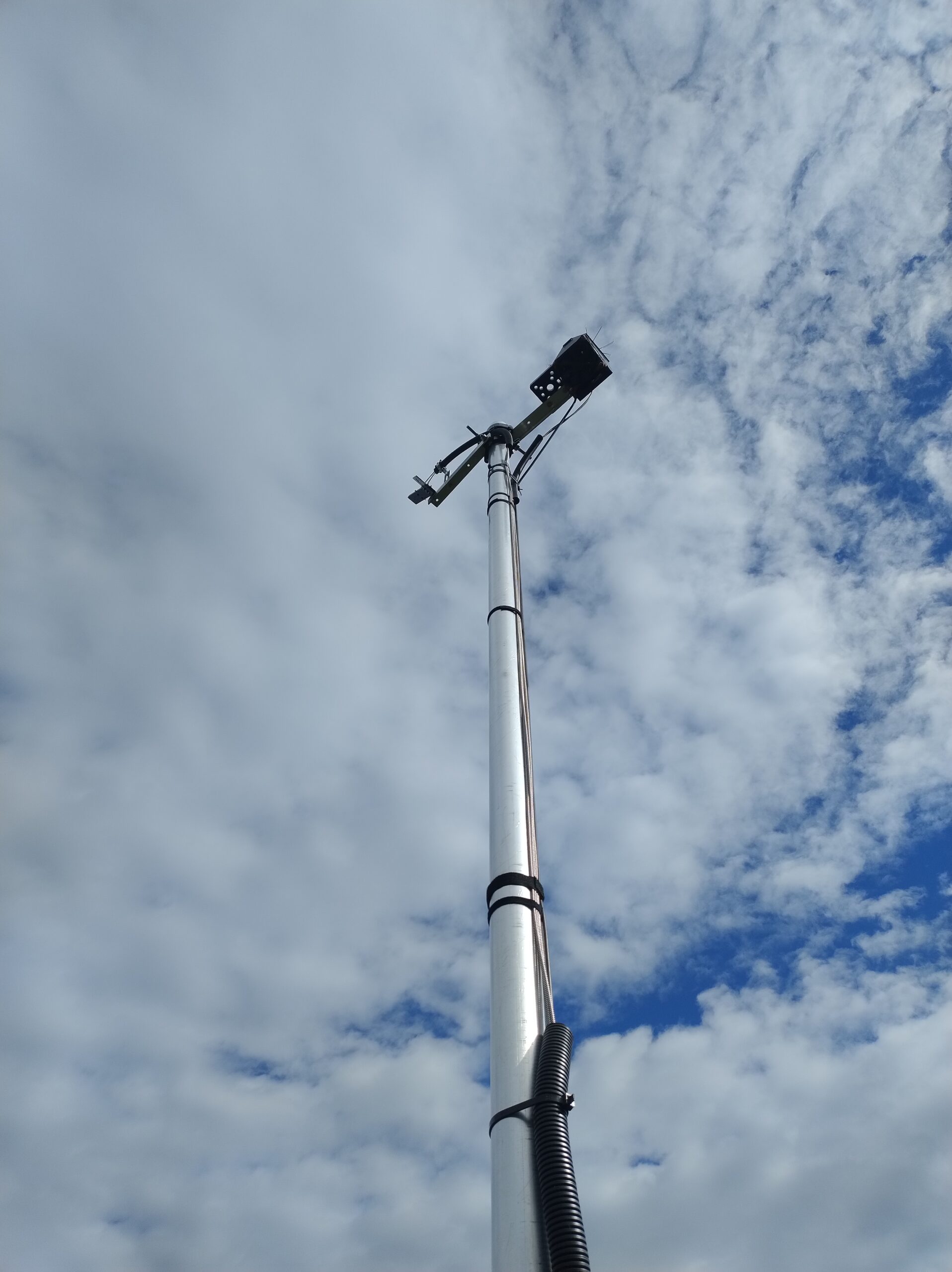
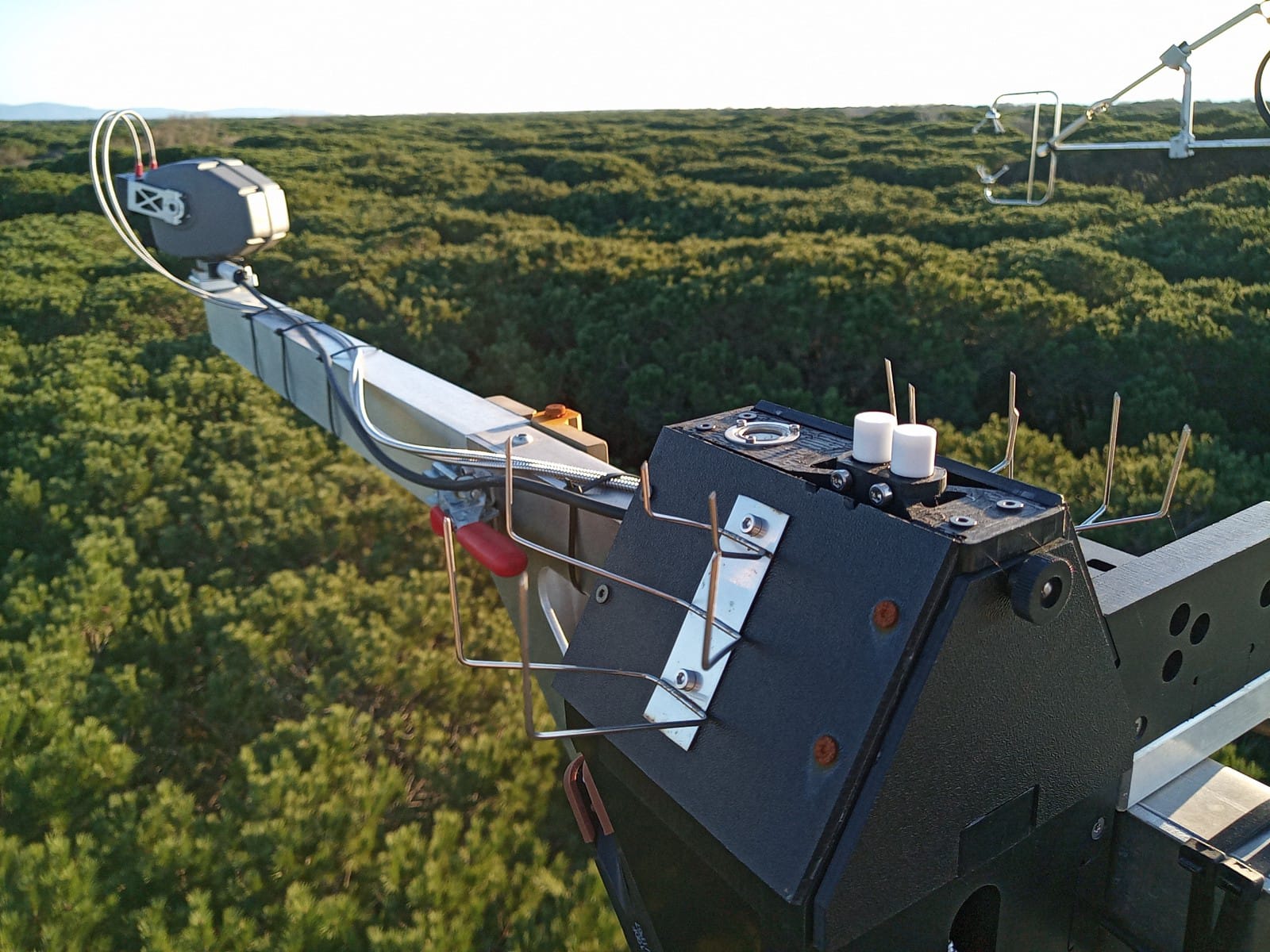
JB Hyperspectral supports these workflows with field instruments built for scientific outdoor use. RoX, NoX, and JB COS help researchers measure reflectance, radiance, and irradiance under real world conditions. They are designed for autonomous operation, long duration data logging, and stable performance in demanding field environments. As a result, atmospheric spectroscopy becomes easier to apply in multi site campaigns, permanent installations, and research projects where data consistency is essential.
NIR reflectance BoX
Measuring Visible and Near Infrared radiance and reflectance, extending the RoX capabilities towards the NIR
FIND OUT MOREReflectance Box
Measuring reflectance effortless, the RoX is the all in one solution for your spectral survey.
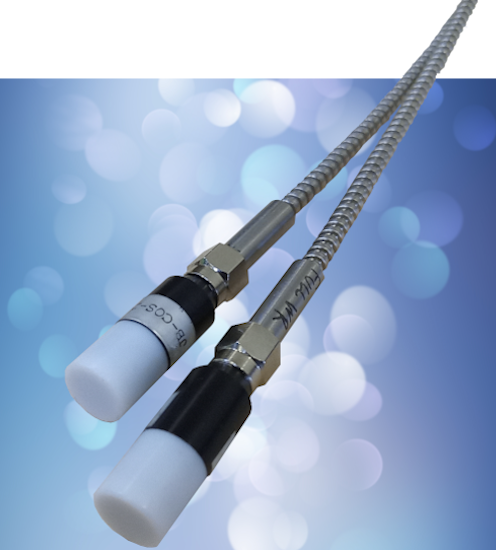
FIND OUT MOREJB COS
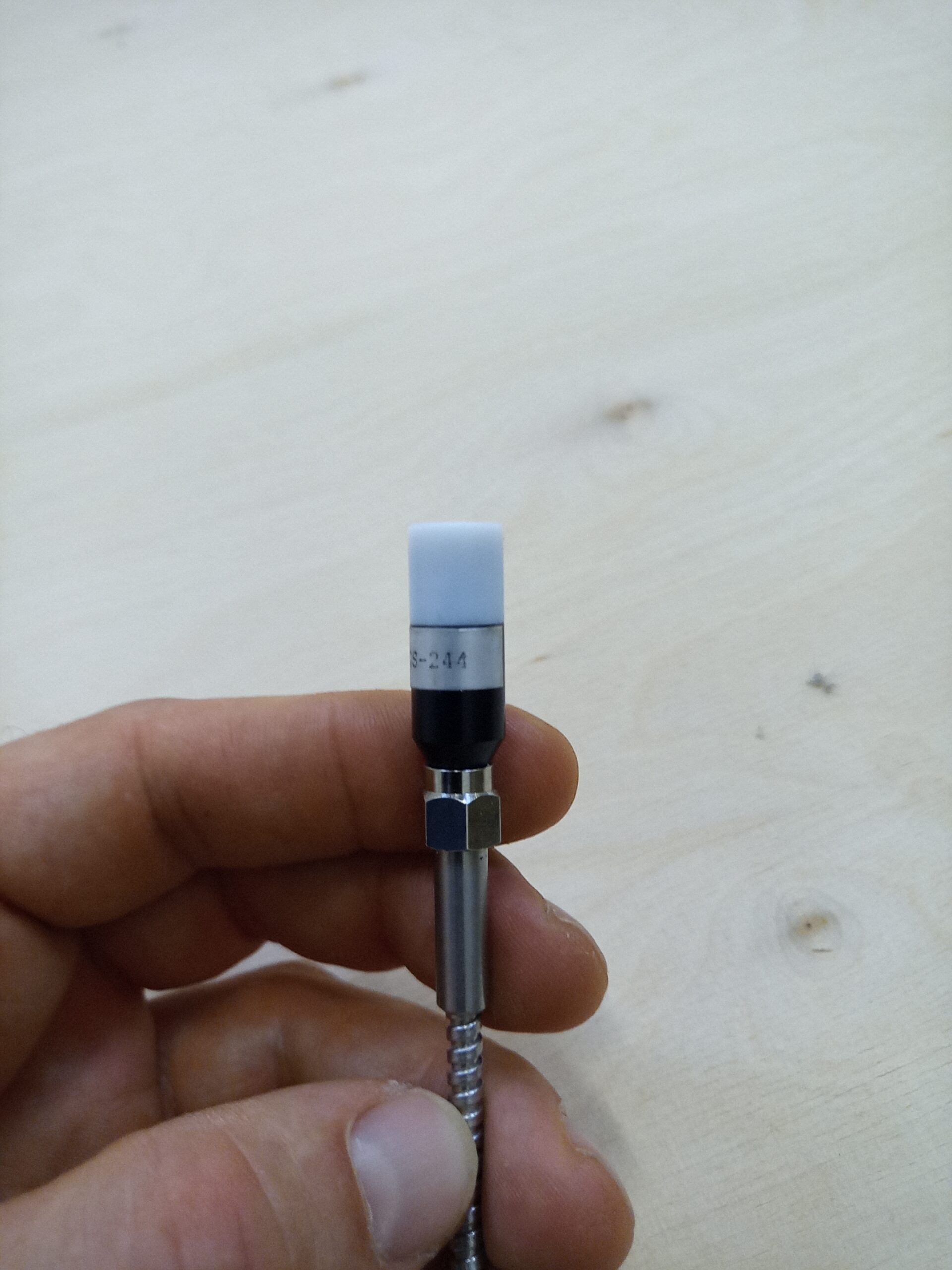
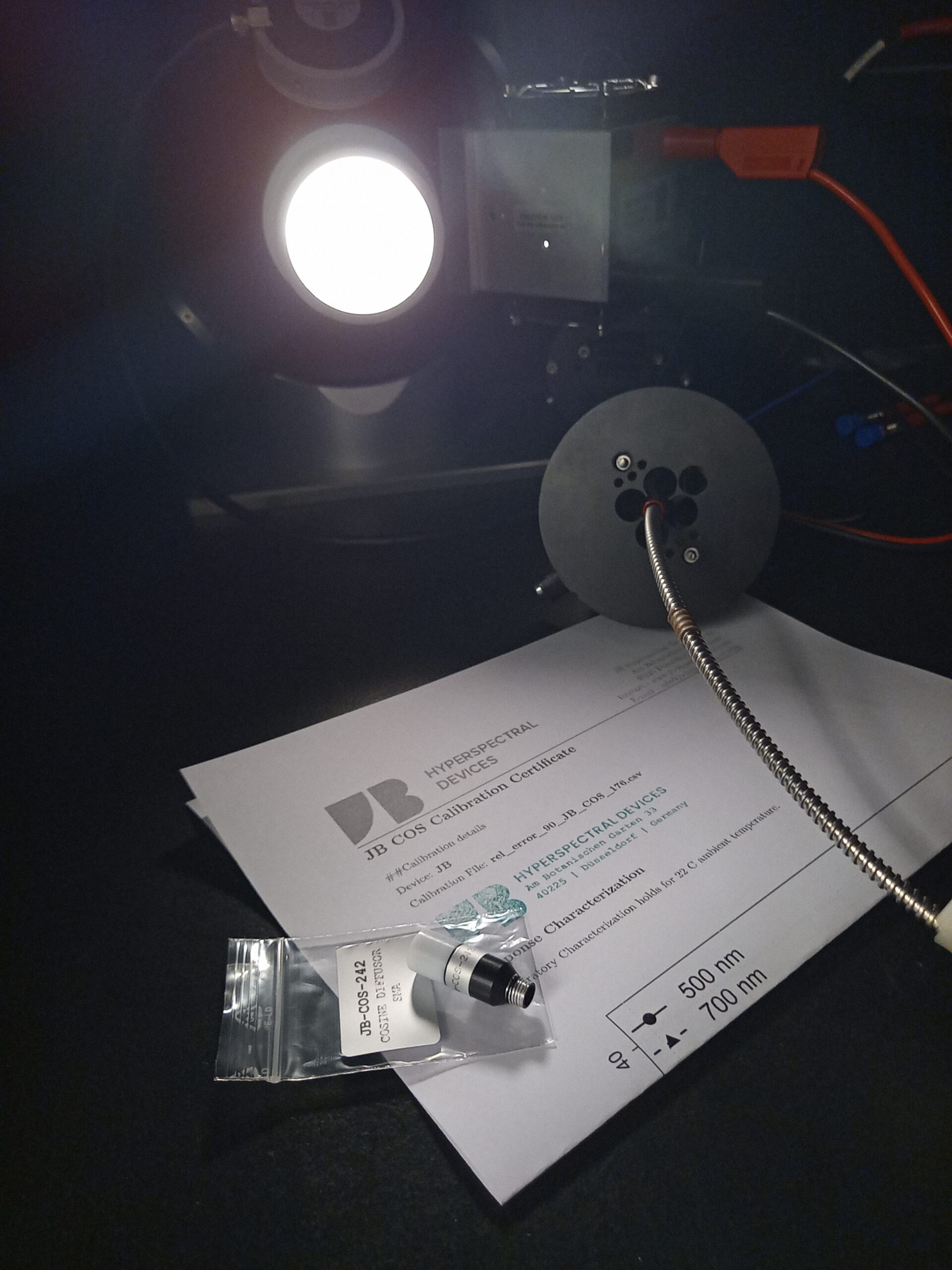
Measuring solar irradiance from equator to poles. The cosine receptors for field spectroscopy applications.
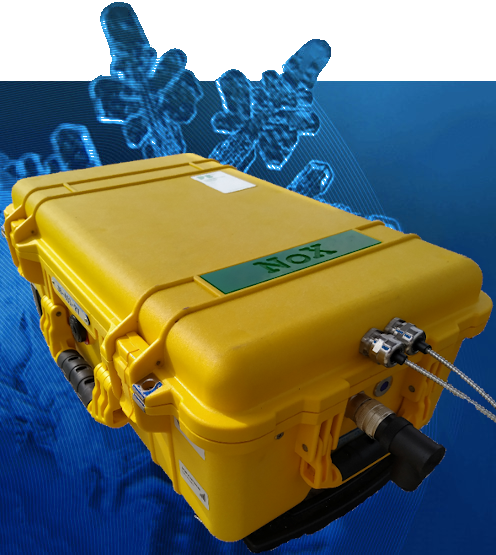
FIND OUT MORENoX (Near Infrared Reflectance Box)
Applications
Continuous reflectance monitoring that extends into the near infrared, including vegetation, snow, and harsh climate sites.
Advantages
Visible to near infrared coverage up to 1650 nm, dual field of view radiance and irradiance concept, rugged low power design for permanent outdoor installation.
Spectral range
~350–1100 nm (Spec 1) and ~900–1650 nm (Spec 2).
Dual FOV geometry
Upwelling radiance 25° and downwelling radiance 180°
Built for unattended monitoring
automatic signal optimization, accurate dark current determination each cycle, fully autonomous acquisition, quick measurements
RoX (Reflectance Box)
Application
Long term reflectance time series for environmental monitoring, including vegetation, water quality, and snow and ice studies.
Advantages
Fully autonomous weatherproof operation with low power consumption, dual channel irradiance and radiance workflow, stability checks and metadata for consistent time series.
Spectral range
VIS-NIR ~400–950 nm (other options available on demand).
Spectral performance
SSI ~0.65 nm and FWHM ~1.5 nm (SNR ~250).
Fast & autonomous in the field
Fully autonomous acquisition, quick measurements, large SD storage.
JB Hyperspectral Devices GmbH
Am Botanischen Garten 33
40225, Düsseldorf – Germany