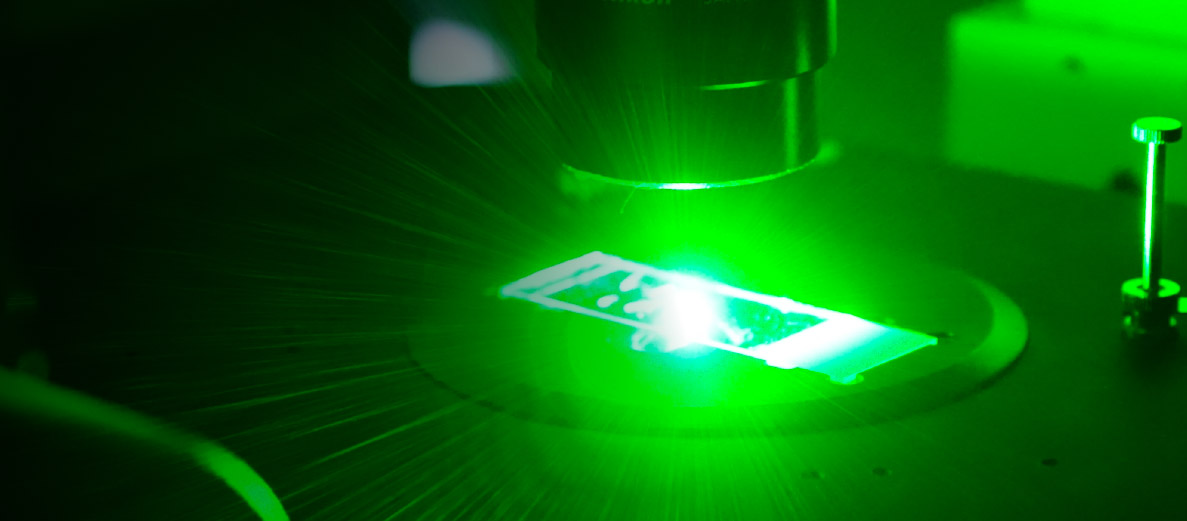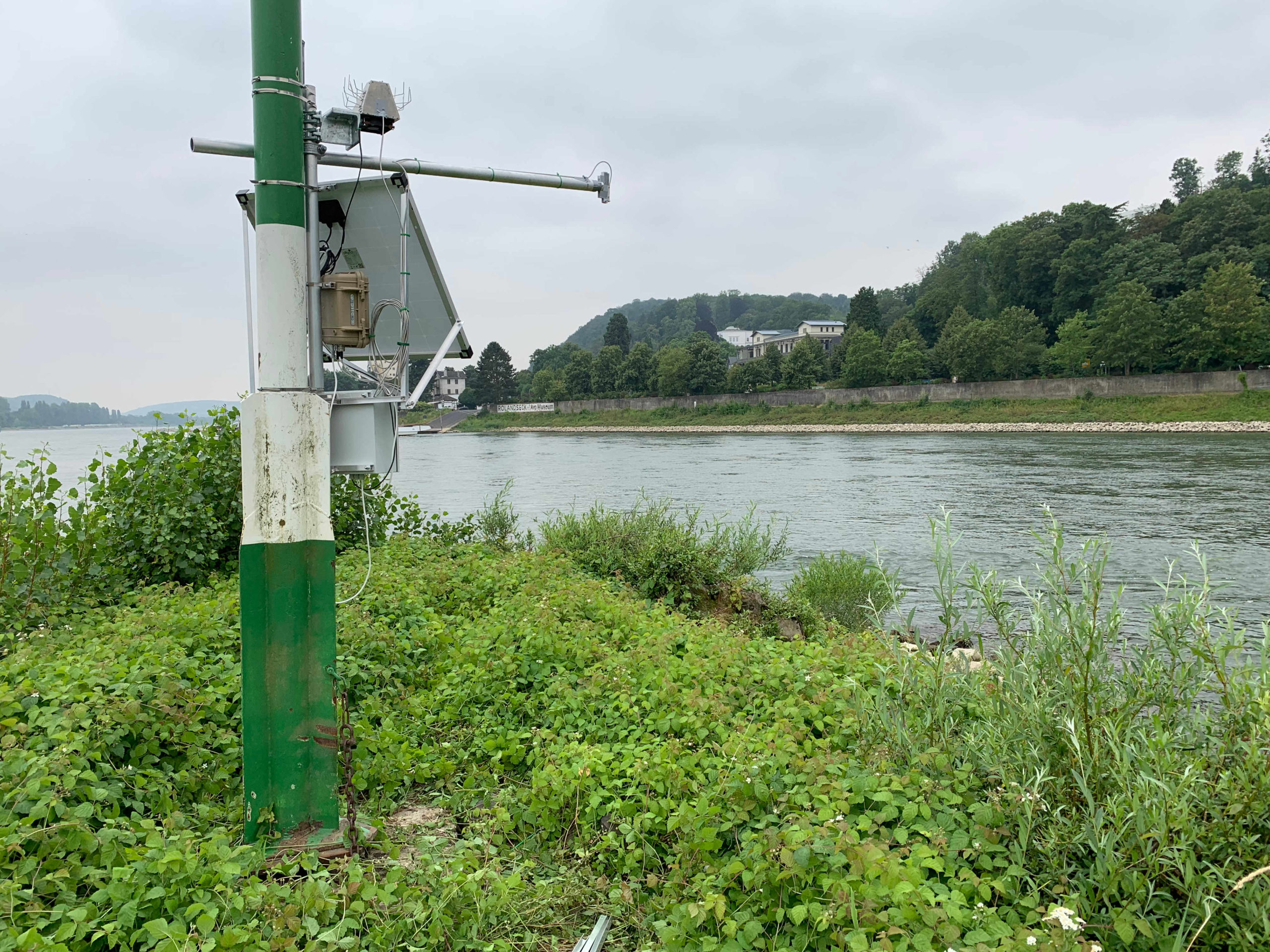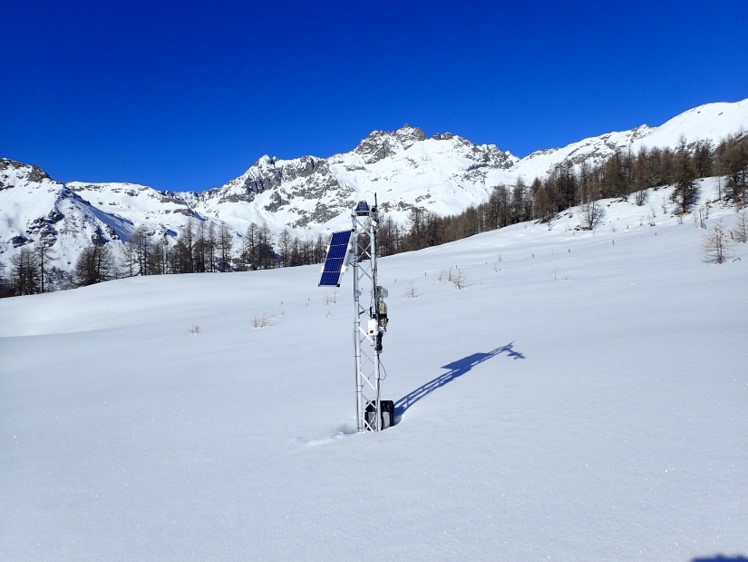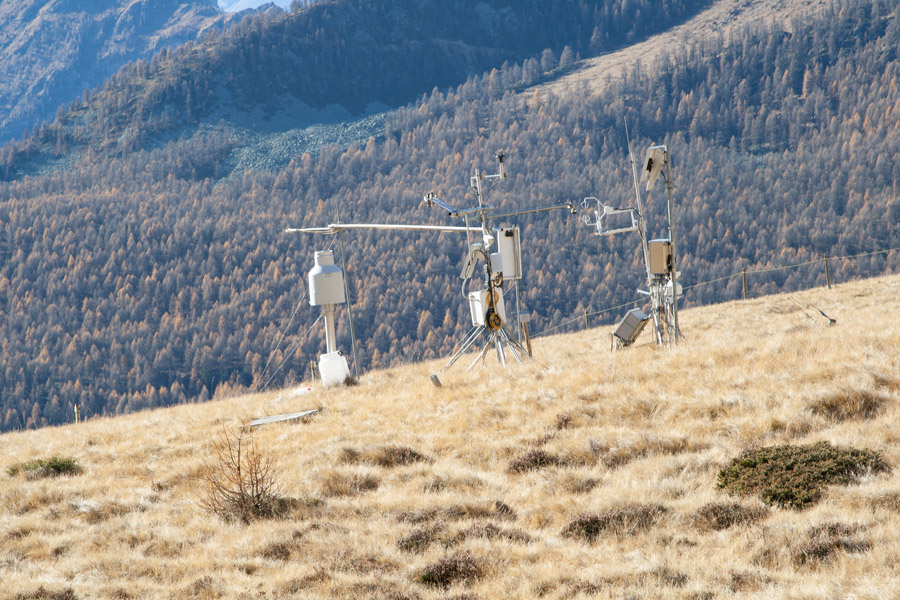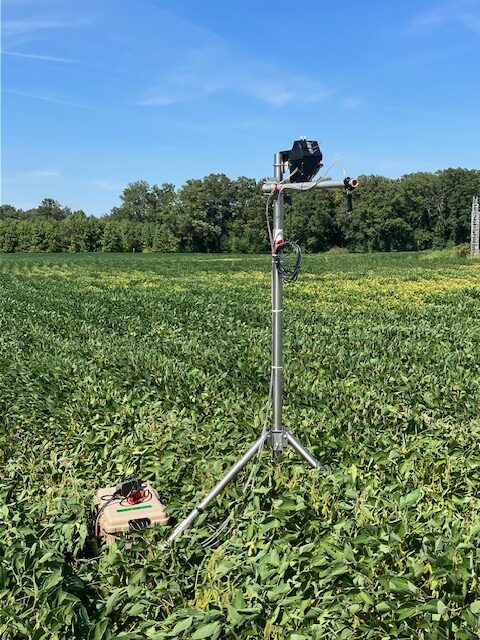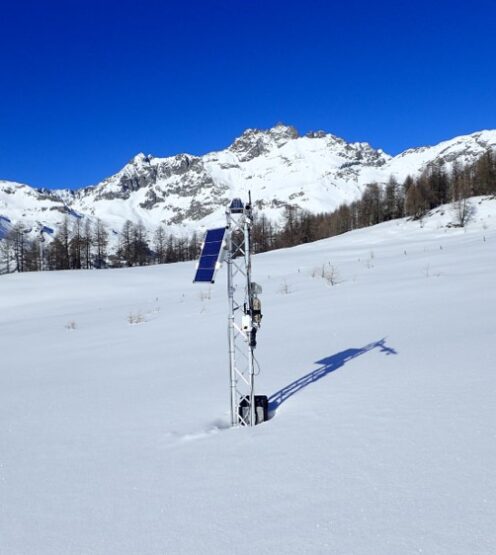

A spectral sensor is used to measure how materials interact with light. This helps identify substances, monitor quality, detect changes, and analyze physical or chemical properties.

A spectral sensor makes light measurable in a way that conventional cameras cannot. Instead of recording only brightness or color, it analyzes how a material reflects, absorbs, emits, or transmits light across defined wavelength ranges. This creates a precise optical fingerprint of the object. This information can reveal properties that remain invisible to the human eye.
A spectral sensor is an optical measurement device that captures light and separates it into individual spectral bands. Each band represents a specific part of the electromagnetic spectrum, for example visible light, near infrared, or short wave infrared. By measuring the intensity within these bands, the system creates a spectrum that describes the behavior of a material with high detail.
This principle is valuable because every material interacts with light differently. Water content, pigments, coatings, minerals, plant health, surface contamination, and chemical composition can influence the measured spectrum. As a result, spectral sensing does not only show what an object looks like. It helps explain what the object is made of and how its properties are distributed.
Depending on the application, this technology can be used as a point measurement or as part of a spectral imaging system. Point sensors analyze one defined spot and are often used for laboratory checks, embedded devices, or compact inspection tools. Imaging systems, by contrast, combine spectral information with spatial data. This creates a data cube in which every image position contains its own spectrum.
A spectral sensor works by collecting reflected or emitted light from a target. Optical filters, gratings, prisms, or interference filter structures separate this light into narrow wavelength ranges. Sensitive detector elements then measure how much light is present in each channel. The resulting signal can be processed, calibrated, and compared with reference data.
This process enables reliable differentiation between materials that may appear identical in a normal image. One surface may reflect visible light in the same way as another, though its near infrared response can be completely different. This is why spectral analysis is used in fields such as food inspection, vegetation analysis, recycling, industrial sorting, biomedical research, and remote sensing.
A well selected spectral sensor must match the measurement task. Important criteria include wavelength range, spectral resolution, signal-to-noise ratio, optical design, calibration stability, and data processing workflow. High spectral resolution can reveal subtle differences, but practical systems must remain efficient, robust, and easy to integrate.
JB Hyperspectral develops optical measurement solutions for users who need more than visual inspection. Advanced spectral technology can support scientific experiments, field measurements, and industrial processes by turning complex light interactions into usable data. Combined with hyperspectral imaging, it becomes possible to map material properties across full samples, surfaces, or scenes.
This makes the technology especially relevant when accuracy, repeatability, and application-specific configuration matter. Instead of relying on general color information, users gain access to spectral signatures that support classification, quantification, and decision making. Would it not be easier to evaluate a sample when each wavelength contributes to the answer?
Reflectance Box
Measuring reflectance effortless, the RoX is the all in one solution for your spectral survey.
FIND OUT MORE
JB Hyperspectral Devices GmbH
Am Botanischen Garten 33
40225, Düsseldorf – Germany